
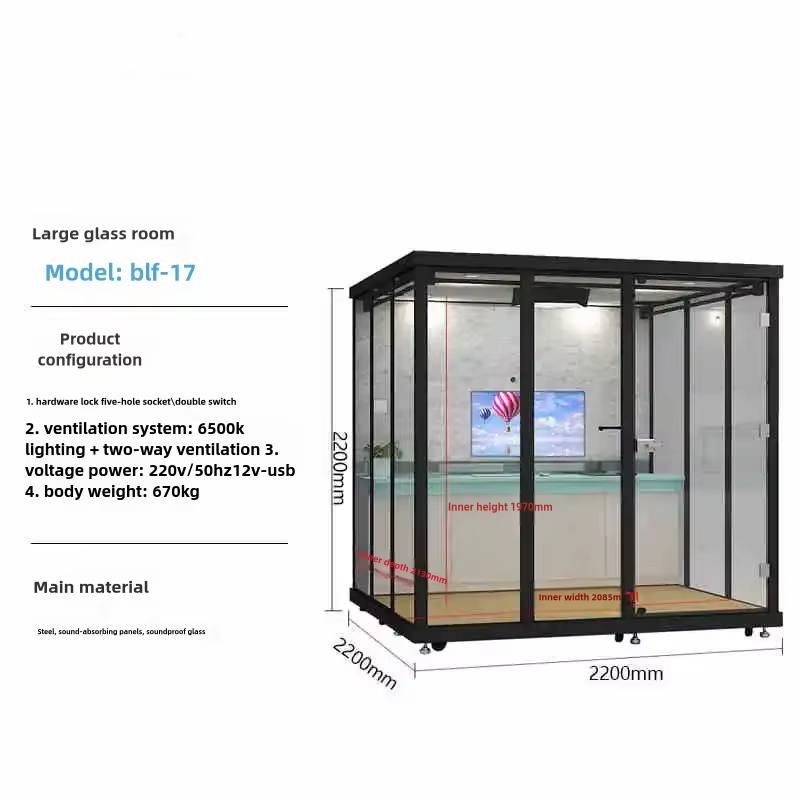
Description
# Purchasing Agent for Guangzhou Furniture Wholesale Market
## Introduction
Guangzhou, as a core hub of China’s furniture manufacturing and wholesale industry, connects thousands of domestic and international buyers to a diverse range of products—from minimalist office desks to handcrafted wooden cabinets. With over 10,000 suppliers clustered in areas like Tianhe Wholesale Furniture Center and the adjacent Lecong Furniture City (a 30-minute drive from Guangzhou), navigating this vast market can be overwhelming for first-time or distant buyers. This is where **purchasing agents** play a critical role: they act as trusted intermediaries, bridging the gap between buyers and suppliers while streamlining the sourcing process.
## What Exactly Does a Guangzhou Furniture Wholesale Purchasing Agent Do?
A purchasing agent’s responsibilities extend far beyond basic order placement. They act as a one-stop solution for end-to-end sourcing needs, with key duties including:
### 1. Market Research & Trend Analysis
Agents stay updated on Guangzhou’s furniture market dynamics—tracking raw material price fluctuations (e.g., bamboo, solid wood, metal), emerging design trends (e.g., modular living room sets, zero-waste furniture), and supplier capacity shifts. For example, they might alert a US buyer to a new line of sustainable outdoor furniture from a small Guangzhou factory that’s not yet listed on global platforms.
### 2. Supplier Vetting & Verification
Not all Guangzhou suppliers are equal. Agents conduct rigorous checks: verifying business licenses, ISO 9001 quality certifications, and compliance with international safety standards (e.g., CPSC for the US, EN 747 for the EU). They also visit factories in person to inspect production lines, confirm raw material sourcing (e.g., FSC-certified wood), and assess labor practices.
### 3. Negotiation & Cost Optimization
With long-term relationships with suppliers, agents can secure better bulk discounts, flexible payment terms (e.g., 30% deposit, 70% on delivery), and reduced minimum order quantities (MOQs). For small businesses, this means accessing wholesale prices without meeting the 100+ unit MOQs often required by large factories.
### 4. Quality Control & Inspection
Agents perform pre-shipment inspections (PSI) to ensure products meet buyers’ specifications: checking for structural defects, finish consistency, dimension accuracy, and labeling compliance. If issues are found (e.g., a scratch on a wooden table), they coordinate with suppliers for repairs or replacements before goods leave the factory.
### 5. Logistics & Customs Coordination
Navigating China’s logistics and customs can be complex for international buyers. Agents handle all paperwork (commercial invoices, packing lists, bills of lading), arrange FCL/LCL shipping, and choose reliable freight forwarders. They also track shipments in real time and alert buyers to delays (e.g., port congestion in Guangzhou Port).
### 6. After-Sales Support
If problems arise post-delivery (e.g., damaged goods, missing parts), agents act as a liaison between buyers and suppliers to resolve issues quickly—coordinating returns, replacements, or refunds without requiring buyers to communicate directly in Chinese.
## Key Advantages of Hiring a Local Purchasing Agent
For both domestic and international buyers, partnering with a local Guangzhou agent offers tangible benefits:
### 1. Local Expertise & Market Insights
Agents know the “ins and outs” of the market—they can recommend the best suppliers for specific niches (e.g., custom hotel furniture, budget-friendly student desks) and avoid red flags (e.g., suppliers with a history of late deliveries). They also understand local business etiquette (e.g., the importance of face-to-face meetings for building trust).
### 2. Time & Cost Savings
Buyers save hours of research, travel, and paperwork. For example, a European buyer can avoid flying to Guangzhou multiple times by letting an agent handle supplier visits and inspections. Agents also reduce hidden costs: they negotiate lower inspection fees, avoid customs fines for incorrect documentation, and secure better shipping rates.
### 3. Risk Mitigation
The Guangzhou furniture market has occasional cases of substandard products or scam suppliers. Agents minimize this risk by verifying supplier credibility and conducting independent quality checks. A 2023 survey of 500 international buyers found that 82% reported fewer quality issues when using a local agent.
### 4. Access to Niche Suppliers
Many small, high-quality suppliers in Guangzhou don’t advertise online or attend international trade shows. Agents have personal connections to these hidden gems—for example, a boutique furniture brand in Australia might get access to a family-run factory that specializes in hand-carved teak furniture through an agent.
## How to Choose the Right Purchasing Agent
Not all agents are created equal. To find a reliable partner, follow these steps:
### 1. Check Experience & Specialization
Look for agents with at least 3–5 years of experience in Guangzhou’s furniture wholesale market. Some agents specialize in specific niches (e.g., office furniture, outdoor furniture)—choose one that aligns with your needs.
### 2. Verify References & Reviews
Ask for references from past clients (especially international buyers) and check online reviews on platforms like Alibaba or Google My Business. Look for consistent feedback on reliability, communication, and quality of service.
### 3. Assess Communication Skills
Ensure the agent speaks your language (e.g., English, Spanish) fluently and responds promptly to queries. A good agent will provide regular updates (e.g., weekly progress reports) and be transparent about any issues.
### 4. Evaluate Supplier Network
Ask the agent to share their list of trusted suppliers (with client testimonials if possible). A strong network should include a mix of large factories (for bulk orders) and small niche suppliers (for custom designs).
### 5. Clarify Fee Structure
Most agents charge a fee of 3–5% of the total purchase value, but some may have flat fees or additional charges (e.g., inspection fees). Make sure to get a written agreement that outlines all costs upfront to avoid surprises.
## Common Challenges & How Agents Mitigate Them
Even with the best planning, sourcing from Guangzhou can face challenges—here’s how agents solve them:
### 1. Language & Cultural Barriers
Agents act as translators and cultural mediators. They understand that Chinese suppliers prioritize long-term relationships over short-term transactions, so they can negotiate more effectively than foreign buyers who lack local context.
### 2. Fake Certifications
Some suppliers falsify certifications (e.g., FSC, ISO). Agents verify these documents with third-party organizations (e.g., the Forest Stewardship Council) and conduct random factory audits to confirm compliance.
### 3. Logistics Delays
Guangzhou Port often faces congestion during peak seasons (e.g., Chinese New Year). Agents have backup freight forwarders and can reroute shipments to nearby ports (e.g., Shenzhen) to avoid delays.
### 4. MOQ Restrictions
Small buyers often struggle with high MOQs. Agents can combine orders from multiple clients to meet MOQs, or negotiate lower limits for regular buyers. For example, an agent might help a small US retailer order 50 units of a sofa instead of the factory’s 100-unit requirement.
## The Future of Purchasing Agents in Guangzhou’s Furniture Market
The role of purchasing agents is evolving to keep up with market trends:
### 1. Digitalization
Agents are using AI tools to track market trends and blockchain to provide supply chain transparency (e.g., tracing the origin of wood used in furniture). Some are also adopting virtual factory tours to let buyers inspect facilities remotely.
### 2. Sustainability Focus
With growing demand for eco-friendly furniture, agents are helping buyers source products made from recycled materials (e.g., reclaimed wood, plastic bottles) and verify suppliers’ green credentials (e.g., low-VOC paint use).
### 3. Personalized Sourcing
Agents are expanding their services to include custom furniture design—connecting buyers with local craftsmen in Guangzhou to create unique pieces tailored to specific needs (e.g., custom-sized wardrobes for small apartments).
## Conclusion
A purchasing agent is an invaluable partner for anyone looking to source furniture from Guangzhou’s wholesale market. They simplify the complex process of finding reliable suppliers, negotiating prices, and managing logistics—saving time, money, and reducing risk. By choosing an agent with local expertise, strong communication skills, and a proven track record, buyers can access high-quality furniture at competitive prices while focusing on their core business. Whether you’re a small retailer or a large hotel chain, partnering with a Guangzhou furniture purchasing agent is a smart investment in your sourcing strategy.

Reviews
There are no reviews yet.