
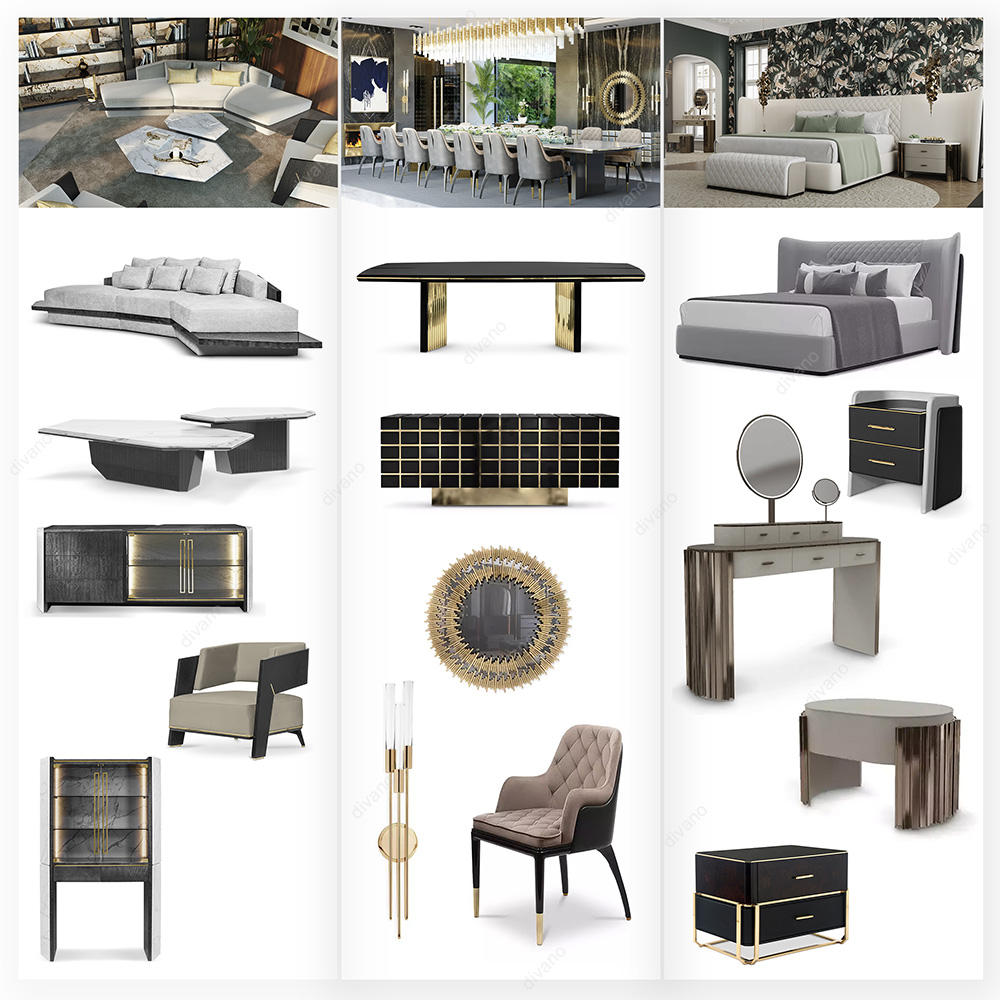
Description
# Sourcing from Furniture Stores in Guangzhou, China
## Introduction
Sourcing furniture from Guangzhou, China, has become a strategic choice for interior designers, small business owners, and homeowners seeking diverse styles, competitive pricing, and access to a mature manufacturing ecosystem. As one of China’s leading commercial hubs, Guangzhou boasts a sprawling network of furniture stores—from luxury showrooms in downtown districts to wholesale markets catering to global buyers. Its proximity to the Port of Guangzhou and Foshan (a global furniture manufacturing powerhouse) makes it logistically convenient for local and international sourcing. Whether you need modern minimalist sofas, traditional Chinese rosewood pieces, or custom office furniture, Guangzhou’s stores offer options for every need and budget. This guide breaks down key districts, product types, and practical tips to navigate the city’s furniture landscape successfully.
## Key Furniture Sourcing Districts in Guangzhou
Guangzhou’s furniture stores are clustered in three core districts, each with distinct strengths:
### 1. Tianhe District: High-End & Design-Focused Showrooms
Tianhe, Guangzhou’s central business district, hosts upscale showrooms catering to design-savvy buyers and luxury consumers. Areas like Zhujiang New Town feature sleek spaces where local and international brands showcase premium collections—think smart furniture (adjustable desks with USB ports, LED-lit cabinets), minimalist solid wood dining sets, and high-end upholstery from European designers. Many stores offer customization for tailored pieces, though prices are higher than other districts (e.g., a custom leather sofa may cost 20–30% more than in Baiyun). For exclusivity and design, Tianhe is ideal.
### 2. Baiyun District: Mid-Range & Customization Hubs
Baiyun is Guangzhou’s sweet spot for mid-range furniture and custom-made pieces. The Baiyun Furniture City complex houses hundreds of stores specializing in family-friendly items (bunk beds, wardrobes) and small-space solutions. What sets Baiyun apart is its low minimum order quantities (MOQs)—often one piece for custom items—making it perfect for individual homeowners or small businesses. For example, a non-standard wardrobe can be designed and built in 2–3 weeks. Most stores let you meet local manufacturers directly to discuss requirements.
### 3. Panyu District: Wholesale & Export-Centric Markets
Panyu’s Shaxi Furniture Town is a global wholesale hub, spanning 1 million+ square meters with thousands of stores for international buyers. Many have English-speaking staff and pre-negotiated shipping services. MOQs are higher (5–10 pieces per item for bulk), but discounts reach 30–40% off retail. Proximity to the Port of Guangzhou makes sea freight to Southeast Asia, Europe, or North America efficient (2–6 weeks). Stores also offer consolidated shipping to mix items from multiple vendors and cut costs.
## Types of Furniture Available in Guangzhou Stores
Guangzhou’s stores cover a wide range of styles to suit diverse tastes:
### 1. Modern Minimalist: The Most Popular Style
Clean lines, neutral colors (white, gray, black), and functional design define this style. Materials include MDF, solid oak/pine, stainless steel, and glass. You’ll find L-shaped sofas for small apartments, modular storage units, and smart furniture (sofas with charging ports). Popular among young homeowners and designers for a sleek, contemporary look.
### 2. Traditional Chinese: Timeless Craftsmanship
Stores specializing in Ming/Qing dynasty-style furniture feature intricate wood carvings, rosewood/mahogany finishes, and classic designs (round dining tables, curved-back chairs). Some offer antique reproductions; others blend tradition with modernity (rosewood cabinets with glass doors). Prices are higher due to solid hardwood and hand-carving, but they add elegance to any space. Found mostly in Tianhe and Baiyun niche showrooms.
### 3. Industrial: Raw & Edgy
Gaining popularity for cafes and co-working spaces, industrial furniture uses reclaimed wood, iron pipes, and exposed brick. Key pieces: loft-style dining tables, metal-framed chairs, and crate storage units. Local reclaimed materials make pieces unique and eco-friendly. Budget options are in Baiyun; premium reclaimed wood pieces in Tianhe.
### 4. Custom-Made: Tailored to Your Needs
Most Baiyun and Tianhe stores offer custom furniture. The process: 1) Discuss dimensions/materials/finishes with a designer; 2) Receive 3D renderings or samples; 3) Pay a 30–50% deposit; 4) Production (1–4 weeks); 5) Inspection and final payment. Clarify all details upfront to avoid delays.
## Practical Tips for Sourcing from Guangzhou Furniture Stores
### 1. Pre-Sourcing Preparation
– **Research online**: Browse store websites or Alibaba to narrow down districts and items.
– **Budget for extras**: Include shipping, customs (international), customization, and quality control costs.
– **Prepare a list**: Note dimensions, materials, and customization needs to stay focused.
– **Check reviews**: Use Google Maps or Alibaba to find reputable stores.
### 2. Visiting Stores
– **Comfortable shoes**: Markets like Shaxi are huge—wear sneakers.
– **Tools**: Bring a tape measure, flashlight (inspect joints), and camera (photos of liked pieces).
– **Negotiate politely**: Counteroffer 10–20% below asking (25–40% for bulk). Be friendly—rapport matters.
– **Ask for samples**: Take fabric/wood samples to compare with your space.
### 3. Quality Control
– **Materials**:
– Solid wood: Tap for deep resonance (veneer sounds hollow).
– Upholstery: Check even stitching, durable fabric, and firm cushions.
– Metal: Inspect for rust and smooth welds.
– **Craftsmanship**: Tight joints (dovetail = high quality), even finishes (no bubbles/scratches).
– **Custom pieces**: Request prototypes before full production.
### 4. Logistics & Shipping
– **Local**: Most stores partner with couriers (50–200 RMB per piece; free for large orders).
– **International**:
– **Freight**: Sea (2–6 weeks, cheap) vs. air (3–7 days, expensive).
– **Customs**: Check your country’s HS codes and duties (some stores help with docs).
– **Packaging**: Sturdy boxes with foam (store services available for a fee).
– **Consolidation**: Mix items from multiple stores to cut freight costs.
## Navigating Challenges in Guangzhou Furniture Sourcing
### 1. Language Barriers
– **Translator apps**: Google Translate (offline mode) for camera/voice translation.
– **Sourcing agents**: 5–10% fee for communication, quality control, and shipping.
– **English-speaking stores**: Panyu’s Shaxi and Tianhe’s Zhujiang New Town have many.
### 2. Cultural Differences
– **Greetings**: Shake hands; address as “Xiansheng” (sir) or “Nüshi” (madam).
– **Negotiation**: Collaborative, not aggressive—build rapport first.
– **Payment**: 30–50% deposit upfront; balance on delivery.
### 3. Avoiding Scams
– **Red flags**: Too-good-to-be-true prices, full upfront payment, no physical address.
– **Escrow services**: Use Alibaba’s Trade Assurance for large orders (release funds after inspection).
## Conclusion
Sourcing furniture from Guangzhou offers diverse styles, competitive pricing, and customization. By focusing on the right districts (Tianhe for luxury, Baiyun for mid-range custom, Panyu for wholesale), preparing thoroughly, and following tips for negotiation, quality control, and shipping, you can succeed. Overcome language barriers with apps/agents, respect cultural norms, and avoid scams with reviews/escrow. Whether you’re a designer, business owner, or homeowner, Guangzhou’s furniture stores have something for everyone—you just need to plan ahead.
Reviews
There are no reviews yet.