
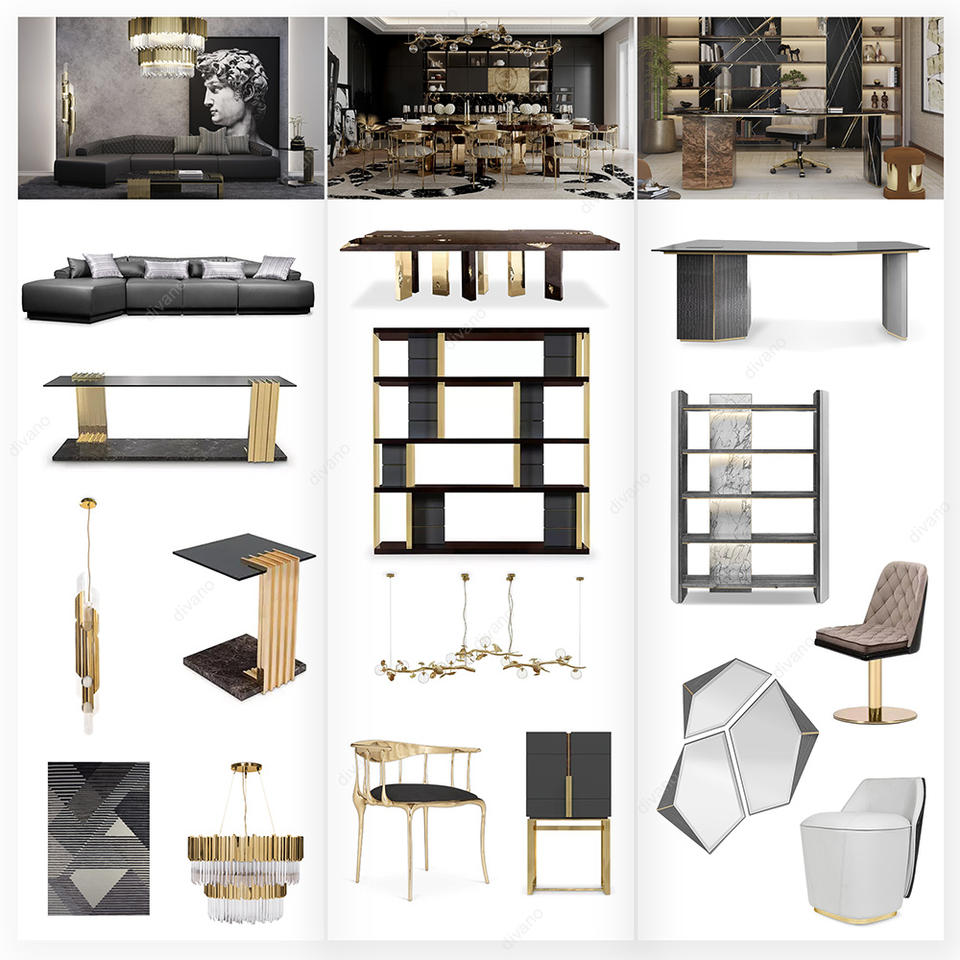
Description
# Your Dedicated Foshan Furniture Exporter
If you’ve ever browsed modern office desks, minimalist home sofas, or durable outdoor furniture in global markets, chances are you’ve encountered products from Foshan—China’s furniture export hub. A dedicated Foshan furniture exporter doesn’t just ship goods; it bridges international clients with a century-old manufacturing legacy, tailored solutions, and rigorous quality standards. This guide explores why Foshan is the backbone of China’s furniture export industry, what sets dedicated exporters apart, and how to partner with the right one for your business.
## 1. Why Foshan Is the Heart of China’s Furniture Export Industry
Foshan’s status as a global furniture export capital isn’t accidental—it’s the result of strategic location, industrial clustering, and decades of expertise:
### Geographic Advantage
Sitting in the Pearl River Delta, Foshan is 50 kilometers from Guangzhou’s Nansha Port (one of China’s busiest container hubs) and a short distance from Hong Kong/Macau. This proximity cuts logistics costs by 15–20% compared to inland manufacturers and speeds delivery to Europe, North America, and Southeast Asia (30–45 days for sea freight to the EU, 20–30 days to Southeast Asia).
### Industrial Clustering
Foshan hosts over 12,000 furniture-related enterprises, spanning raw material suppliers (timber, metal, fabric), manufacturers, and exporters. Lecong Town—dubbed the “Furniture Capital of China”—boasts a 3-square-kilometer mall attracting buyers from 100+ countries annually. This ecosystem lets exporters source materials locally, reducing lead times by 20% and ensuring consistency.
### Historical Legacy
The industry dates back to the 1980s, when Foshan produced wooden furniture for domestic markets. By the 2000s, it shifted to export, adapting to international standards (e.g., EU REACH, US FDA). Today, Foshan accounts for ~35% of China’s total furniture exports, with 2023 revenue exceeding $20 billion (per the Foshan Furniture Industry Association).
## 2. What Makes a Dedicated Foshan Furniture Exporter Stand Out?
Dedicated exporters distinguish themselves from general traders by focusing on long-term partnerships, not one-off sales:
### Deep Supply Chain Integration
Unlike traders who source from multiple factories, dedicated exporters often own or closely partner with manufacturing facilities. For example, an outdoor furniture exporter might collaborate with a local aluminum plant to use 100% recycled metal for frames, cutting costs and carbon footprint.
### Customization for Global Markets
One size doesn’t fit all. Exporters tailor products to regional preferences:
– EU clients: REACH-compliant low-VOC paints and flame-resistant upholstery.
– US clients: FDA-approved dining table surfaces and size standards (e.g., 30-inch table height).
– Middle Eastern clients: Ornate designs with heat-resistant fabrics.
In-house design teams use 3D rendering tools to create prototypes in 7–14 days, with unlimited revisions until client approval.
### Rigorous Quality Control
Quality is non-negotiable:
– Most have ISO 9001 (quality management) and ISO 14001 (environmental management) certifications.
– Three inspection rounds: pre-production (material checks), in-line (defect detection), final (third-party testing via SGS/Intertek).
– Compliance with global safety standards (e.g., California’s TB 117 flame resistance for upholstery).
### Customer-Centric Support
Multilingual teams (English, Spanish, Arabic) handle 24/7 queries. Exporters assist with:
– Logistics: Choosing FOB/CIF terms, customs clearance, and bulk furniture packaging (eco-friendly recycled cardboard).
– Post-delivery: 1–5 year warranties, replacement parts, and assembly guidance.
## 3. The End-to-End Process of Working with a Foshan Furniture Exporter
Partnering with a dedicated exporter follows a transparent, structured流程:
### Step 1: Initial Consultation
A free consultation aligns on client needs: product type (office/home/outdoor), MOQ (50–100 pieces for custom items), budget, and design references (sketches/photos).
### Step 2: Design & Prototyping
3D renderings are shared first; after approval, a physical prototype is produced. Clients can revise details (e.g., chair height, fabric texture) until satisfied.
### Step 3: Production & Quality Checks
Mass production begins post-prototype approval. In-line inspectors check for defects (uneven wood grain, loose joints). Final audits include third-party testing for compliance.
### Step 4: Logistics & Documentation
Exporters handle packaging, customs documents (bill of lading, commercial invoice), and shipping. They offer sea/air freight options based on delivery timelines.
### Step 5: Post-Delivery Support
Follow-ups ensure satisfaction; warranty claims and replacement parts are processed within 7 days.
## 4. Key Considerations When Choosing Your Foshan Furniture Exporter
With thousands of exporters in Foshan, evaluate these factors:
### Industry Experience
Look for 5+ years of experience in your target market. For example, an exporter with EU client references is better for REACH-compliant products.
### Certification Compliance
Verify certifications: ISO 9001/14001, CE marking, BSCI (ethical labor), and FSC (sustainable wood). Avoid exporters without these—they may cut corners.
### Transparent Pricing
Request a detailed quote (materials: 30–40%, labor:20–25%, shipping:15–20%, certifications:5–10%). Avoid overly low quotes—they often hide substandard materials.
### Logistics Network
Ensure the exporter has reliable partners in your region (e.g., US customs specialists for North American clients).
### Client Testimonials
Ask for references from past clients in your industry. Case studies (e.g., 500 office chairs for a German startup) show bulk order capability.
## 5. Sustainable Practices in Foshan Furniture Export
Global demand for eco-friendly furniture is driving change:
### Eco-Friendly Materials
– Recycled wood (from old furniture/construction waste) or FSC-certified wood.
– Low-VOC water-based paints (emits 50% fewer chemicals than oil-based alternatives).
– Recycled aluminum for outdoor frames.
### Energy Efficiency
Factories use solar panels (reducing fossil fuel use by 30% for some) and waste heat from production to heat water. Lean manufacturing cuts waste by 25% (e.g., leftover fabric for cushion covers).
### Circular Economy Initiatives
Some exporters offer take-back programs for old furniture (refurbish/recycle). Others design modular furniture for disassembly (e.g., reconfigurable bookshelves).
### Green Certifications
Exporters seek EU Ecolabel or US GREENGUARD to verify low-emitting products, helping clients market to eco-conscious consumers.
## 6. Future Trends Shaping Foshan’s Furniture Export Landscape
The industry is evolving to meet global demands:
### Smart Furniture Integration
IoT-enabled pieces (adjustable desks with stand reminders, sofas with USB ports) are gaining traction. Exporters partner with tech firms to integrate these features.
### Digitalization
AR/VR tools let clients visualize furniture in their space before ordering. AI predicts design trends and optimizes production schedules. Online B2B platforms (Alibaba, Made-in-China) connect small businesses to Foshan exporters.
### Mass Customization
3D printing and modular design enable custom orders at scale (e.g., choose sofa color/fabric/size for a 10% premium). This caters to consumers wanting unique pieces.
### Circular Design
Furniture designed for repair/reuse (e.g., replaceable cushion covers) reduces waste. Exporters are prioritizing this to meet EU circular economy regulations.
Foshan’s dedicated furniture exporters are more than suppliers—they’re partners in building successful global furniture businesses. Their focus on quality, customization, and sustainability makes them a top choice for clients worldwide. By understanding their strengths and process, you can find the right exporter to grow your business.
Reviews
There are no reviews yet.