

Your Medical Journey to China Starts with the Right Information.
International medical coordination for patients from Singapore, Malaysia, Thailand, Indonesia, Vietnam, the Philippines, Brunei Darussalam, Cambodia, Laos, Myanmar and Timor-Leste.
Access specialist consultations, comprehensive health screening, advanced diagnostic imaging, multidisciplinary treatment planning, cancer care, cardiovascular procedures, robotic-assisted surgery, cellular therapy assessments, rehabilitation and traditional Chinese medicine services through appropriately qualified Chinese healthcare providers.
Core Service Promise
Helping patients and families from Southeast Asia navigate medical consultations, hospital selection, second opinions, diagnostic examinations, specialist referrals, treatment planning, travel coordination and post-treatment follow-up in China. Our international patient coordination service helps individuals, families, hospitals, physicians, insurers and medical facilitators organize the steps involved in seeking treatment in China.
Contact Our International Patient Team
Tell us your country of residence, medical concern, preferred treatment timeline and whether you already have medical records or a diagnosis.
Our 17 International Patient Services
Structured administrative, clinical-referral, and logistical coordination before, during, and after your hospital visit in China.
Who We Serve — Southeast Asia
Dedicated referral pathways, medical-record organization, language support planning, and clinical travel guidance tailored for patients and families across all 11 Southeast Asian nations.
Singapore
English & Chinese Record CoordinationWe assist Singapore-based patients seeking specialist consultations, diagnostic reassessment, complex treatment opinions and coordinated access to Chinese medical institutions.
Potential referral categories: Oncology, hematology, cardiovascular medicine, neurology, orthopedics, reproductive medicine, digestive diseases, rehabilitation and preventive health screening.
Services: May include English-language communication, medical-record organization, appointment coordination and assistance with treatment quotations.
Malaysia
KL, Penang, Johor Bahru, Sabah, SarawakWe support patients from Kuala Lumpur, Penang, Johor Bahru, Sabah, Sarawak and other Malaysian locations who wish to explore treatment options in China.
Referral requests: May involve cancer treatment, blood disorders, advanced imaging, cardiac care, neurological conditions, joint replacement, complex surgery and traditional Chinese medicine.
For Malaysian patients, we can help organize English-language or Chinese-language records, pathology reports, imaging files, laboratory results and medication histories for review by the receiving hospital.
Thailand
Bangkok, Chiang Mai, Phuket & NationwidePatients from Bangkok, Chiang Mai, Phuket and other Thai cities may request specialist consultations, second opinions and international hospital referrals.
Potential areas of interest: Include cancer diagnostics, cardiovascular treatment, neurosurgery, robotic-assisted procedures, orthopedic surgery, fertility-related consultations, rehabilitation and health screening.
Indonesia
Jakarta, Surabaya, Bandung, Medan, BaliWe support inquiries from patients and families in Jakarta, Surabaya, Bandung, Medan, Bali and other Indonesian locations.
Coordination process: Can include medical-record translation, specialist referral requests, hospital appointment arrangements, treatment-plan clarification and travel planning.
Patients with advanced cancer, hematological disorders, complex cardiac disease or neurological conditions may request an assessment of whether a Chinese specialist consultation is appropriate.
Vietnam
Hanoi, Ho Chi Minh City, Da NangPatients from Hanoi, Ho Chi Minh City, Da Nang and other Vietnamese cities can request referrals for health screening, oncology, cardiology, neurology, orthopedic surgery and other specialist services.
We help organize the submission of medical summaries, diagnostic reports and questions for the receiving clinical team.
Philippines
Manila, Cebu, Davao & NationwideWe assist inquiries from Manila, Cebu, Davao and other Philippine locations.
Potential referral categories: Include cancer diagnosis and treatment, cardiac procedures, advanced imaging, neurological consultations, joint replacement and complex surgical opinions.
English-language medical documentation can often be used for initial coordination, subject to the receiving hospital's requirements.
Brunei Darussalam
Bandar Seri Begawan & NationwidePatients from Brunei may request specialist consultations, comprehensive examinations, oncology referrals and selected surgical opinions.
The coordination team can help organize clinical documentation, appointment inquiries, estimated treatment costs and companion arrangements.
Cambodia
Phnom Penh, Siem Reap & NationwideWe assist patients from Phnom Penh, Siem Reap and other Cambodian locations seeking specialist assessments and referral options in China.
Services: May include medical-record organization, oncology and cardiovascular referrals, diagnostic appointment requests, interpreter coordination and travel planning.
Laos
Vientiane & NationwidePatients from Vientiane and other locations in Laos may request referrals for specialist assessment, diagnostic services and treatment planning.
The process begins with the collection of available medical reports and clarification of the patient's principal medical concern.
Myanmar
Yangon, Mandalay & NationwideWe coordinate inquiries from Myanmar patients and families seeking access to specialist consultation and hospital services in China.
Potential referral areas: Include oncology, hematology, cardiovascular medicine, neurology, orthopedics, rehabilitation and diagnostic imaging.
Timor-Leste
Dili & NationwidePatients from Timor-Leste can request information about Chinese specialist services, hospital referrals and medical travel coordination.
The process may involve English-language record preparation, interpretation arrangements, travel planning and preliminary cost estimates.
Need Country-Specific Referral Guidance?
Connect with our international coordination team to check medical-record translation requirements, interpreter availability, and specialist matching for your country of residence.
Our 8-Step International Medical Coordination Process
Every cross-border referral follows a transparent, step-by-step protocol designed to protect patient safety, ensure accurate clinical triage, and clarify expected costs before you travel.

Critical Emergency Rule
Emergency symptoms must be evaluated by local emergency services rather than waiting for an overseas referral. Only submit information needed for the clinical assessment, using an appropriately secure channel.
Step 1 — Initial Inquiry
Contact the international patient team with a short description of the medical issue. Please provide:
Step 2 — Medical Document Collection
The receiving provider may request:
Specialist & Hospital Matching
Based on the medical records and the patient's request, we help identify suitable specialties and potential receiving institutions.
The receiving hospital determines whether it can accept the case, which physician should review it and whether additional information is required.
A referral does not guarantee admission, treatment eligibility or a particular outcome.
Preliminary Medical Review
The specialist may recommend:
- • Remote consultation
- • Additional lab tests
- • Repeat imaging
- • Pathology review
- • Molecular/genetic testing
- • MDT case conference
- • In-person examination
- • Revised treatment plan
Any treatment recommendation must come from a qualified clinician responsible for the case.
Treatment Estimate
Where available, we help request a written estimate covering consultation, examinations, procedures, hospitalization, medication, rehabilitation and follow-up. The estimate should identify exclusions and possible additional charges.
Travel Preparation
Once the receiving provider confirms an appointment or treatment plan, we can help coordinate the administrative steps. These may include visa-document inquiries, appointment letters, flights, accommodation, local transport, interpretation and family-companion arrangements.
Hospital Visit & Treatment
The patient attends the scheduled appointment and undergoes the clinical evaluation determined by the treating team. The hospital explains the diagnosis, potential benefits, risks, alternatives, expected duration, costs and consent requirements.
Discharge & Follow-Up
Before returning home, the patient should request a discharge summary, medication list, pathology results, operative reports where applicable, follow-up instructions and emergency contact information. The home-country treating clinician should receive the information needed for continuing care.
Comprehensive Health Screening in China
Health screening should be tailored to the patient's age, symptoms, medical history, family history and individual risk factors. Not every examination is necessary for every patient.
Core Screening Principle
A larger package is not automatically a better package. Tests should be selected for clinical value rather than simply increasing the number of examinations.
General Physical Examination
- • Medical history and risk assessment
- • Height, weight and body mass index
- • Blood pressure and pulse
- • General physical examination
- • Cardiovascular assessment
- • Respiratory examination
- • Abdominal examination
- • Skin examination where indicated
- • Medication and allergy review
- • Lifestyle & preventive-health consultation
Laboratory Testing
Potential tests, when clinically indicated:
- • Complete blood count
- • Liver function panel
- • Kidney function
- • Electrolytes
- • Fasting glucose
- • HbA1c
- • Lipid profile
- • Urinalysis & ACR
- • Thyroid function
- • Iron studies
- • Vit B12 & folate
- • Coagulation studies
- • Inflammatory markers
- • Infectious disease
- • Pregnancy test
- • Symptom-based tests
Cardiovascular Screening
- • Resting electrocardiogram (ECG)
- • Echocardiography
- • Exercise stress testing where appropriate
- • Ambulatory blood pressure monitoring
- • Holter monitoring
- • Vascular ultrasound
- • Coronary CT angiography when indicated
- • Cardiac MRI when indicated
- • Specialist cardiovascular consultation
Imaging & Diagnostics
- • Ultrasound
- • Digital X-ray
- • CT & MRI
- • Nuclear medicine
- • PET-CT (indicated)
- • Mammography
- • Bone density
- • Endoscopy
- • Colonoscopy
- • Lung function
- • Sleep studies
- • Neuro exams
Digestive Health
- • Liver and gallbladder ultrasound
- • Hepatitis assessment where indicated
- • Upper gastrointestinal endoscopy
- • Colonoscopy
- • Helicobacter pylori testing
- • Pancreatic and liver investigations
- • Gastroenterology consultation
- • Nutritional assessment
Women's Health
- • Gynecological consultation
- • Breast examination
- • Cervical cancer screening
- • Pelvic ultrasound when indicated
- • Mammography based on age and risk
- • Menopause consultation
- • Fertility assessment
- • Bone health assessment
Men's Health
- • Urological consultation
- • Prostate assessment
- • PSA testing after discussion of benefits and limitations
- • Urinary tract evaluation
- • Testosterone testing when clinically indicated
- • Testicular examination where appropriate
- • Cardiometabolic risk assessment
Cancer Risk Assessment
A cancer risk assessment may review family history, smoking, occupational exposure, previous pathology and age-appropriate screening recommendations.
Cancer Diagnosis and Treatment Referrals
Cancer care often requires multiple specialists and a coordinated treatment plan. Patients may request an independent review of an existing diagnosis or explore whether a Chinese hospital can provide a suitable treatment option.
Cancer Diagnostic Services
The treating team should determine which tests are necessary. Molecular testing does not guarantee that a targeted therapy will be available or effective.
Lung Cancer
Possible assessment and treatment categories include surgery, radiation therapy, chemotherapy, targeted therapy and immunotherapy, depending on cancer type, stage, molecular findings and patient fitness.
Breast Cancer
Potential services include diagnostic imaging, biopsy, pathology review, breast surgery, reconstructive consultation, radiation therapy, systemic treatment and genetic-risk assessment when appropriate.
Colorectal Cancer
Assessment may include colonoscopy, pathology review, staging imaging, colorectal surgery, systemic therapy and selected precision-medicine consultations.
Liver Cancer
Specialists may evaluate surgical resection, transplantation eligibility, ablation, embolization procedures, radiation and systemic treatment where appropriate.
Pancreatic Cancer
Care may involve advanced imaging, biopsy where indicated, surgical assessment, chemotherapy, pain management, nutritional support and palliative care.
Stomach & Esophageal
Potential services include endoscopy, biopsy, staging, surgical evaluation, systemic treatment, radiation therapy and nutritional support.
Brain & CNS Tumors
Patients may request neurosurgical evaluation, neurological imaging review, pathology assessment, radiation oncology consultation and rehabilitation planning.
Gynecological Cancers
Potential services include specialist assessment for cervical, ovarian, uterine and other gynecological malignancies, with surgery and systemic treatment determined by the clinical team.
Prostate & Kidney
Assessment may include imaging, biopsy when indicated, urological oncology consultation, surgery, radiation therapy and selected systemic treatments.
Pediatric Cancer
Children require specialized pediatric oncology services, age-appropriate consent and safeguarding procedures, and coordinated support for the entire family.
Multidisciplinary Cancer Care (MDT)
Patients should receive an explanation of treatment intent, potential side effects, alternatives and the likely need for follow-up after returning home. Depending on the case, the clinical team may include:
CAR-T Cell Therapy and Cellular Medicine
CAR-T stands for chimeric antigen receptor T-cell therapy. It is a specialized form of cellular immunotherapy in which T cells are modified to recognize selected targets on cancer cells.
Conditions That May Be Evaluated
Depending on the specific product, regulatory authorization and treatment program, CAR-T may be considered for selected hematological malignancies, including certain leukemias, lymphomas and multiple myeloma. The exact indications differ between products and may change as evidence and regulations evolve.
CAR-T Referral Process (7 Steps)
Important Risks of CAR-T Therapy
CAR-T may cause cytokine release syndrome (CRS), neurological toxicity, infections, prolonged cytopenias and other serious complications. Some complications can be life-threatening. A qualified treatment center must explain monitoring requirements, emergency management, expected hospitalization and long-term follow-up.

9 Questions for the Receiving Center
- Which specific CAR-T product is proposed?
- Is it authorized for this indication in China?
- Is the proposed use within its approved indication or part of a properly authorized clinical trial?
- What previous treatments are required?
- What laboratory and pathology tests are needed?
- What is the estimated total treatment cost?
- How long must the patient remain near the treatment center?
- What emergency facilities and specialist support are available?
- What follow-up will be required after returning home?
Robotic-Assisted Surgery
Robotic-assisted surgery uses specialized equipment controlled by a trained surgeon. The system does not independently decide how to perform an operation. Depending on the institution, equipment and clinical indication, robotic-assisted procedures may be available in selected specialties.
Potential Surgical Specialties
- • Urology
- • Gynecological surgery
- • General and gastrointestinal surgery
- • Thoracic surgery
- • Selected colorectal procedures
- • Selected hepatobiliary procedures
- • Certain reconstructive procedures
Availability varies by hospital, surgeon, equipment and individual case.
Robotic Surgery Assessment
- • Diagnosis and disease stage
- • Previous operations & imaging/pathology
- • General fitness for anesthesia
- • Cardiovascular and respiratory risk
- • Expected surgical benefit & complications
- • Alternative open or minimally invasive approaches
- • Recovery and rehabilitation requirements
Clinical Equivalence Principle: Robotic assistance is not automatically superior to conventional surgery. The appropriate technique depends on the clinical indication and the expertise of the treating team.
Questions Before Surgery: Ask the hospital to identify the responsible surgeon, explain relevant experience, provide a written quotation and outline possible conversion to open surgery, postoperative monitoring and follow-up arrangements.

Cardiovascular and Neurological Care
Cardiovascular Referrals
- • Coronary artery disease assessment
- • Cardiology second opinions
- • Heart valve evaluation
- • Arrhythmia assessment
- • Electrophysiology consultations
- • Selected catheter-based interventions
- • Cardiac surgery consultations
- • Heart failure management
- • Vascular surgery assessment
- • Cardiac rehabilitation
Neurological Referrals
- • Stroke specialist assessment
- • Brain and spinal imaging review
- • Neurosurgical consultation
- • Brain tumor assessment
- • Epilepsy evaluation
- • Movement disorder consultations
- • Selected vascular neurosurgery
- • Spinal surgery assessment
- • Neurological rehabilitation
The clinical team determines whether medication, a catheter-based procedure, surgery or conservative management is appropriate.
Orthopedics, Joint Replacement & Rehabilitation

Organ Transplantation and Complex Surgery
Patients seeking transplantation may request information about appropriate specialist centers and preliminary evaluation requirements. Potential categories include kidney, liver, heart and other transplantation programs where the receiving institution has the relevant capability and legal authorization.
Transplantation involves strict eligibility rules, donor protections, organ-allocation requirements, ethical safeguards and long-term follow-up.
Questions for the Center: Patients should ask the receiving center about the legal pathway, eligibility, donor requirements, immunosuppression, rejection risks, infection prevention, costs and long-term monitoring.
Traditional Chinese Medicine & Integrative Rehabilitation
Traditional Chinese medicine (TCM) may be explored as a complementary service when clinically appropriate and delivered by qualified practitioners.
Choosing a Chinese Hospital
Hospital selection should be based on the patient's diagnosis, clinical requirements, available specialists, treatment capability, communication arrangements and follow-up needs.
Institute of Hematology and Blood Diseases Hospital, Chinese Academy of Medical Sciences (CAMS), Tianjin
Features a dedicated International Medical Center (IMC) specializing in hematological malignancies, hematopoietic stem cell transplantation, and cellular & gene therapy clinical assessments. When exploring CAR-T or complex blood disorder referrals, patients and coordinators can prioritize verifying program availability, indication authorization, and international patient intake protocols directly with this institution.
Potential Institutions for Referral Investigation
Peking Union Medical College Hospital (PUMCH)
Comprehensive multidisciplinary tertiary care, rare diseases, internal medicine, and surgical specialties.
National Cancer Center / Cancer Hospital, CAMS
Oncology diagnostics, surgical oncology, radiation oncology, and systemic cancer treatment programs.
Institute of Hematology & Blood Diseases Hospital, CAMS
International Medical Center for leukemia, lymphoma, myeloma, HSCT, and cellular & gene therapy evaluation.
Ruijin Hospital, Shanghai Jiao Tong University School of Medicine
Hematology, endocrine & metabolic disorders, general surgery, oncology, and multidisciplinary care.
Zhongshan Hospital, Fudan University
Cardiovascular medicine, liver cancer, hepatobiliary surgery, endoscopic procedures, and thoracic care.
Shanghai Jiao Tong University School of Medicine Affiliated Hospitals
Network of specialized tertiary centers across oncology, orthopedics, pediatrics, and surgical subspecialties.
West China Hospital, Sichuan University
Major western China tertiary hub for complex surgery, oncology, neurology, respiratory medicine, and rehabilitation.
The First Affiliated Hospital, Zhejiang University
Hepatobiliary & pancreatic surgery, infectious diseases, hematology, and authorized transplantation programs.
Sun Yat-sen University Cancer Center
Comprehensive southern China oncology center close to Southeast Asia, covering nasopharyngeal, GI, lung, and other cancers.
The University of Hong Kong–Shenzhen Hospital
International-style clinical governance, multidisciplinary specialist clinics, oncology, orthopedics, and cross-border patient coordination.
Detailed Institutional Profile & Referral Intake Matrix (10 Major Chinese Medical Centers)
Comparative reference for preliminary referral investigation, specialty strengths, and international patient intake verification.
| Institution & City | National Designation & Governance | Key Clinical & Referral Subspecialties | International Patient Intake & Records Required | SEA Flight & Regional Proximity |
|---|---|---|---|---|
| 1. Peking Union Medical College Hospital (PUMCH), Beijing | National Center for Complex & Rare Diseases; Grade III Class A (San-Jia) | Rheumatology & immunology, endocrinology, complex internal medicine, gynecologic oncology, neurology, pancreatic surgery, rare genetic disorders. | International Medical Services Department (IMS); requires comprehensive English/Chinese clinical summary, pathology, and prior diagnostic workup. | Direct flights from Singapore, KL, Bangkok, Jakarta, Manila, Hanoi/HCMC to Beijing (PEK/PKX). |
| 2. National Cancer Center / Cancer Hospital, CAMS, Beijing | National Oncology Clinical Research & Treatment Center (CAMS) | Thoracic surgery (lung/esophageal), breast oncology, colorectal/gastric surgery, hepatobiliary tumors, precision radiation oncology, phase I–III clinical trials. | Requires unstained pathology slides or blocks for review, DICOM CT/MRI/PET-CT files, molecular NGS reports, and prior systemic therapy logs. | Beijing Capital (PEK) & Daxing (PKX) hubs; 30 mins from central Chaoyang district. |
| 3. Institute of Hematology & Blood Diseases Hospital, CAMS, Tianjin ★ | National Center for Hematological Diseases; Dedicated International Medical Center (IMC) | Acute/chronic leukemias, B-cell & T-cell lymphomas, multiple myeloma, aplastic anemia, myelodysplastic syndromes, allogeneic/haploidentical HSCT, commercial & trial CAR-T cell therapy. | Dedicated International Medical Center (IMC) intake: bone marrow aspirate/biopsy reports, flow cytometry, cytogenetics/FISH, molecular mutation panels, prior lines of therapy. | Tianjin Binhai Airport (TSN) or 30-min high-speed rail from Beijing South Station. |
| 4. Ruijin Hospital, SJTU School of Medicine, Shanghai | Leading East China Tertiary Teaching Hospital; Grade III Class A | Hematology & cellular therapy, endocrine & metabolic tumors, robotic gastrointestinal & pancreatic surgery, hypertension/cardiology, severe burn & reconstructive care. | International Medical Center accepts English/Chinese dossiers; pre-arrival remote video MDT available upon specialist approval. | Direct 4–5.5 hr flights from all major SEA capitals to Shanghai Pudong (PVG) & Hongqiao (SHA). |
| 5. Zhongshan Hospital, Fudan University, Shanghai | National Medical Center Affiliate; Grade III Class A | Structural heart disease (TAVR/MitraClip), complex coronary intervention, liver cancer & hepatobiliary surgery, ultra-minimally invasive ESD/POEM endoscopy, pulmonary nodules. | Requires echocardiograms, coronary angiography videos, or dynamic contrast-enhanced liver MRI/CT in DICOM format prior to specialist matching. | Central Xuhui District, Shanghai; convenient access from PVG and SHA airports. |
| 6. SJTU School of Medicine Affiliated Hospital Network, Shanghai | Multi-Campus Academic Medical Network (Renji, Xinhua, Ninth People's, Chest Hospital, Children's Medical Center) | Thoracic & lung oncology (Shanghai Chest), hepatobiliary & urology (Renji), craniofacial/reconstructive & oral-maxillofacial oncology (Ninth People's), pediatric heart & oncology (SCMC). | Matched by subspecialty campus based on patient age and primary organ system; itemized pre-admission estimates requested per campus. | Located across central and Pudong districts of Shanghai. |
| 7. West China Hospital, Sichuan University, Chengdu | National Center for Western China Critical & Complex Care; Grade III Class A | Thoracic & lung cancer surgery, neurosurgery, living-related & authorized organ transplantation, orthopedic & spinal reconstruction, integrative TCM-Western pancreatitis care. | International Medical Center requires complete clinical summary, imaging files, and verification of travel stability. | Direct flights from Singapore, KL, Bangkok, Hanoi to Chengdu Tianfu (TFU) (~3.5–4.5 hrs). |
| 8. The First Affiliated Hospital, Zhejiang University (FAHZU), Hangzhou | Major Provincial & National Academic Medical Center; Grade III Class A | Hepatobiliary & pancreatic surgery, authorized liver/kidney transplantation evaluation, hematology & CAR-T clinical programs, complex infectious & hepatic diseases. | International wing coordinates outpatient diagnostic packages, inpatient surgical opinions, and legal transplant eligibility screening. | Hangzhou Xiaoshan Airport (HGH) or 45-min high-speed train from Shanghai Hongqiao. |
| 9. Sun Yat-sen University Cancer Center (SYSUCC), Guangzhou | Premier Southern China Comprehensive Oncology Center; Grade III Class A | Nasopharyngeal carcinoma (NPC — high prevalence in SEA), liver/colorectal/lung/breast cancers, robotic oncology surgery, proton & stereotactic radiotherapy, immunotherapy. | High volume of Southeast Asian inquiries; requires EBV-DNA titers (for NPC), endoscopic biopsy reports, and staging MRI/PET-CT. | Guangzhou Baiyun Airport (CAN) — only 2.5 to 4 hours flight from most SEA capitals. |
| 10. The University of Hong Kong–Shenzhen Hospital (HKU-SZH), Shenzhen | Public Reform Hospital Co-Managed with HKU Clinical Governance | International-standard multidisciplinary clinics, clinical oncology, orthopedics & scoliosis, reproductive medicine, cardiovascular care, and bilingual English/Cantonese/Mandarin interface. | International Medical Center (IMC) offers transparent package pricing, bilingual medical reports, and seamless cross-border Hong Kong/Shenzhen access. | Accessible via Shenzhen Bao'an Airport (SZX) or Hong Kong International Airport (HKG) + cross-border ferry/limousine. |
International Accreditation and Quality Verification
Do not assume that a hospital is internationally accredited because it treats overseas patients or because an agency describes it as internationally recognized. Before selecting a hospital, verify:
Insurance and Payment Coordination
International medical insurance coverage depends on the patient's policy, the insurer's rules and the receiving provider. Our coordination service can help patients prepare the information needed to request a coverage decision.
China Visa and Medical Travel Documents
Visa eligibility depends on nationality, the purpose and duration of travel, current immigration rules and the requirements of the Chinese embassy or consulate responsible for the application. There is no universal guarantee that a particular visa category will be granted for medical travel.
S2 Visa Pathway Note: For certain medical-treatment visits, official Chinese consular guidance has described an S2 visa pathway. Applicants must check the instructions of the relevant Chinese embassy or consulate, because supporting-document requirements vary by jurisdiction.
Potential Documents to Prepare (Where Requested):
The receiving hospital and the relevant consular office should confirm the exact requirements. An invitation letter does not guarantee visa approval.
Travel, Accommodation and Family Support
International patients may need assistance with more than the hospital appointment itself. Potential coordination services include:
Patient Privacy and Medical Records
Medical information should be handled confidentially and shared only with appropriate authorization. Before submitting records, patients should understand:
- Which organization receives the information
- Why the information is required
- Whether it will be transferred internationally
- How it will be stored and protected
- Who can access it
- How consent may be withdrawn
- Whether additional consent is required for translation or specialist review
Medical Travel Duration Planner & WhatsApp Inquiry Builder
Estimate the typical administrative preparation and hospital stay timeline for your inquiry category, check your medical record readiness, and generate a structured referral inquiry.
1. Select Pathway to View Typical Stay & Cost Structure
Final treatment prices and duration depend strictly on the receiving hospital's clinical evaluation.
2. Build Your Structured Referral Inquiry
Check the documents you currently have available and generate a formatted message to our International Patient Coordinator.
International Patient Testimonials
A transparent patient-experience section
Patient reviews should come from genuine patients or authorized representatives and must not be fabricated, purchased or presented as independently verified when they are not. Until verified reviews are available, the website uses the following clearly labeled sample formats for collecting real feedback. These are not actual patient testimonials.
“After receiving my specialist consultation, I understood the proposed diagnostic steps, the estimated costs and the follow-up arrangements more clearly.”
Replace with a genuine review, published with the patient's permission.
“The coordination team helped us organize the medical documents and understand which questions to ask the receiving hospital.”
Replace with a genuine review, published with the patient's permission.
“The appointment arrangements and interpretation support helped our family prepare for the hospital visit.”
Replace with a genuine review, published with the patient's permission.
“We appreciated receiving a written list of the documents required for the specialist assessment.”
Replace with a genuine review, published with the patient's permission.
“The medical team explained the examinations and the available treatment options during the consultation.”
Replace with a genuine review, published with the patient's permission.
“The written treatment estimate helped us prepare questions about hospital charges and follow-up care.”
Replace with a genuine review, published with the patient's permission.
“Our family was able to clarify the appointment schedule and the documents required before traveling.”
Replace with a genuine review, published with the patient's permission.
“The referral process helped us understand which specialist department should review the medical records.”
Replace with a genuine review, published with the patient's permission.
“We received a clearer explanation of the information needed before the hospital could assess the case.”
Replace with a genuine review, published with the patient's permission.
“The team helped us identify questions about travel, treatment duration and the need for continuing care.”
Replace with a genuine review, published with the patient's permission.
“The preliminary coordination helped our family prepare the available reports for a specialist inquiry.”
Replace with a genuine review, published with the patient's permission.
20 Frequently Asked Questions
Clear, realistic answers regarding hospital acceptance, second opinions, CAR-T, accreditation, insurance, visas, and privacy.
Inside China’s Advanced Medical, Diagnostic & Surgical Environments
Explore visual highlights of multidisciplinary consultation centers, 3.0T MRI and PET-CT molecular imaging suites, GMP cellular immunotherapy laboratories, robotic-assisted operating rooms, hybrid cardiovascular cath labs, and international patient hospitality services.
 01 • Tertiary Hospital Hub
International Medical Center (IMC)
Dedicated outpatient and inpatient wings in Beijing, Tianjin, Shanghai, and Guangzhou for overseas patients.
 02 • MDT Case Review
Multidisciplinary Tumor Board
Collaborative case conferences uniting medical oncologists, surgeons, radiologists, and pathologists.
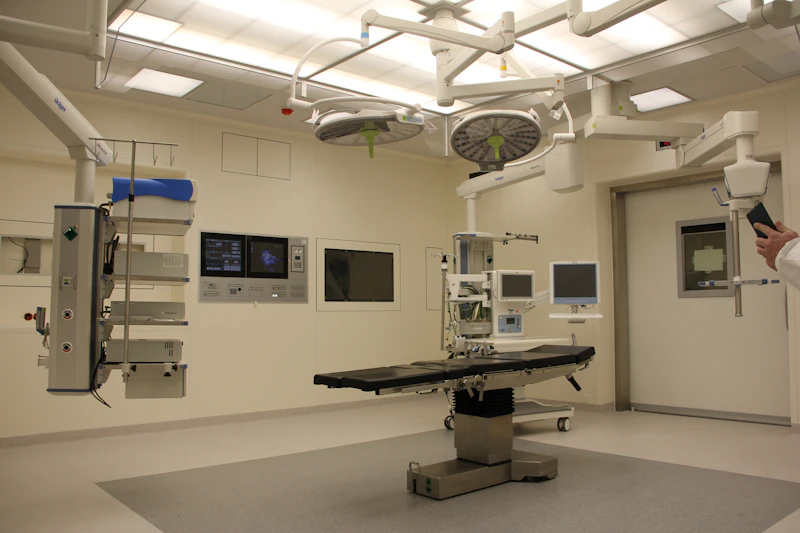 03 • Advanced Imaging
3.0T MRI, Dual-Source CT & PET-CT
High-resolution anatomical and functional molecular imaging for accurate staging and cardiovascular workups.
 04 • Cellular Medicine
CAR-T & Gene Therapy Assessment
Specialized hematology centers evaluating T-cell engineering for refractory leukemia, lymphoma, and myeloma.
 05 • Robotic Surgery
Robotic-Assisted Surgical Console
Surgeon-controlled minimally invasive platforms for urology, thoracic, GI, gynecological, and hepatobiliary procedures.
 06 • Molecular Pathology
Histopathology & NGS Profiling
Independent slide review, immunohistochemistry (IHC), and next-generation sequencing for targeted therapy assessment.
 07 • Heart & Vascular
Cardiovascular & Valve Intervention
Structural heart evaluation, complex coronary intervention, electrophysiology ablation, and cardiac surgery consultations.
 08 • Neurosurgery & CNS
Neurological & Skull Base Surgery
Brain and spinal tumor evaluation, cerebrovascular malformations, movement disorders, and neuro-navigation microsurgery.
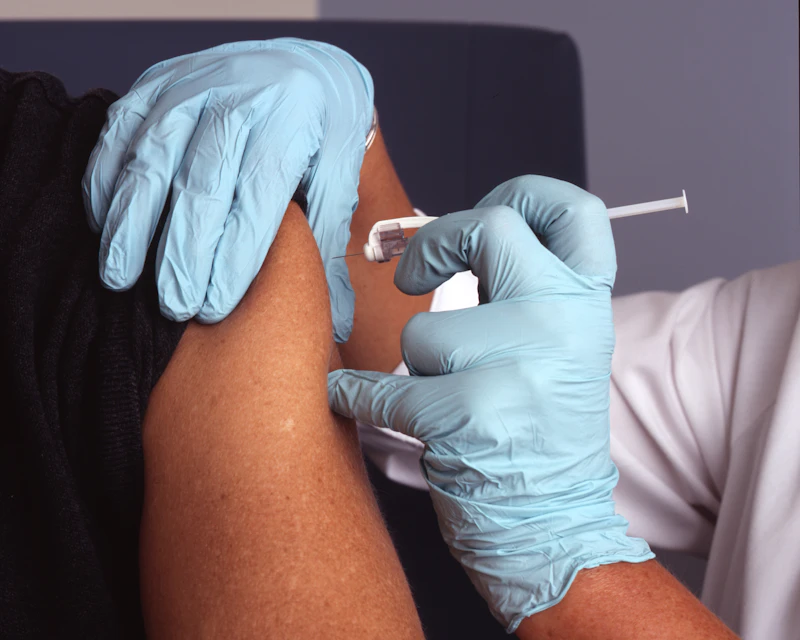 09 • Preventive Medicine
Tailored Comprehensive Screening
Evidence-based physical, cardiometabolic, endoscopic, and gender-specific screening selected for clinical value.
 10 • Digestive Endoscopy
Sedated Gastroscopy & Colonoscopy
High-definition optical magnification endoscopy for early gastrointestinal lesion detection and hepatobiliary assessment.
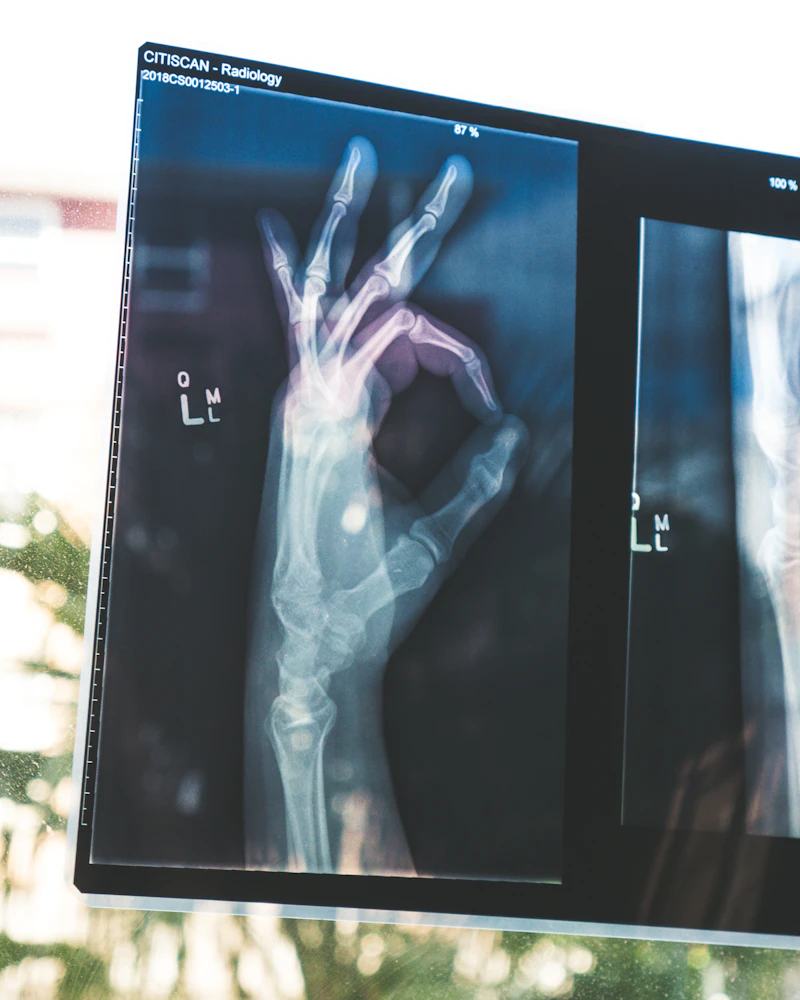 11 • Radiation Oncology
Image-Guided & Stereotactic Radiotherapy
IMRT, VMAT, SBRT, and heavy-ion/proton therapy evaluations at authorized national oncology centers.
 12 • Hematology & HSCT
CAMS Hematology IMC Spotlight
Specialized laminar-flow inpatient wards for hematopoietic stem cell transplantation and cellular therapy monitoring.
 13 • Orthopedics & Rehab
Joint Replacement & Mobility Training
Hip, knee, and spinal surgery assessments paired with structured postoperative physiotherapy and gait training.
 14 • Complex Surgery & ICU
Perioperative & ICU Life Support
24/7 multidisciplinary critical care, transplant evaluation compliance, and post-surgical organ function monitoring.
 15 • Integrative TCM
TCM, Acupuncture & Tai Chi Rehab
Physician-screened complementary pain management, acupuncture, and rehabilitative movement alongside modern care.
 16 • Pediatric & Women's Care
Pediatric & Gynecological Specialists
Age-appropriate safeguarding, parent accompaniment, and specialized pediatric hematology/oncology care.
 17 • Medical Interpretation
Southeast Asian Language Support
Pre-arranged interpretation for English, Mandarin, Malay, Indonesian, Thai, Vietnamese, and regional languages.
 18 • Insurance & Estimates
Preauthorization & Billing Clarity
Written cost estimates, exclusion disclosures, itemized hospital invoices, and insurer claim documentation support.
 19 • Visa & Aviation
S2 Visa & Airport Arrival Coordination
Consular document checklists, fitness-to-fly medical reviews, wheelchair transfers, and family companion lodging.
 20 • Discharge & Follow-Up
Clinical Pharmacy & Home Continuity
Complete discharge summaries, operative records, medication reconciliation, and home-country physician handoff.
Comprehensive Clinical Protocols, Diagnostic Matrices & Cross-Border Preparation Guides
Designed for patients, family caregivers, referring physicians in Southeast Asia, and international insurance case managers, the following reference modules provide detailed technical explanations of diagnostic preparation, oncology pathways, cellular therapy safeguards, surgical risk evaluation, and country-by-country travel logistics.
A Southeast Asia Country-by-Country Referral, Documentation & Travel Matrix (All 11 Nations)
Before scheduling an international consultation or departing for China, patients from each Southeast Asian nation should review the specific medical record language rules, typical aviation routes to major Chinese hospital hubs (Beijing, Tianjin, Shanghai, Guangzhou, Shenzhen, Chengdu, Hangzhou), consular entry considerations, and home-country continuity-of-care requirements.
| SEA Country & Major Cities | Common Referral & Second-Opinion Inquiries | Medical Record & Language Preparation | Direct Aviation & Entry/Consular Notes | Home-Country Follow-Up & Clinical Comparison |
|---|---|---|---|---|
| 🇸🇬 Singapore Singapore Island-wide |
Refractory hematology & CAR-T clinical trials, complex oncology second opinions, rare diseases, integrative TCM rehabilitation, executive health screening. | English medical summaries, histopathology, and DICOM imaging from Singapore public/private hospitals are readily organized; Bilingual English/Mandarin support available. | Direct flights (4–6 hrs) to Guangzhou, Shenzhen, Shanghai, Beijing, Chengdu, Tianjin. Check current bilateral visa-exemption duration vs. S2 visa for extended inpatient care. | Compare proposed clinical benefits, trial authorization, travel burden, and total out-of-pocket or MediSave/private insurance rules against local Singapore options. |
| 🇲🇾 Malaysia Kuala Lumpur, Penang, Johor Bahru, Sabah, Sarawak |
Nasopharyngeal, lung, breast, liver & GI cancers; CAR-T & bone marrow transplant; robotic surgery; complex cardiac/neurological care; integrative TCM. | English and Chinese records widely used; Bahasa Malaysia medical translation and in-person interpretation arranged upon advance request. | Frequent direct flights from KUL, PEN, BKI, KCH to Guangzhou, Shenzhen, Shanghai, Beijing, Chengdu. Verify visa-free stay limits vs. S2 medical visa for long stays. | Ensure discharge summaries and medication lists are issued in English for seamless handoff to Malaysian private or Ministry of Health specialists. |
| 🇹🇭 Thailand Bangkok, Chiang Mai, Phuket, Hat Yai |
Precision oncology, cellular immunotherapy (CAR-T), neurosurgery, robotic-assisted surgery, orthopedic joint replacement, fertility & comprehensive checkups. | English medical reports from major Thai hospitals accepted for initial review; Thai-language reports require certified translation; Thai interpreter confirmed pre-travel. | Direct flights (3–5 hrs) from BKK, CNX, HKT to Guangzhou, Shenzhen, Chengdu, Shanghai, Beijing. Check bilateral visa-exemption rules and S2 visa requirements for companions. | Coordinate post-treatment laboratory monitoring and imaging schedules with the patient’s primary physician in Bangkok or regional Thai centers. |
| 🇮🇩 Indonesia Jakarta, Surabaya, Bandung, Medan, Bali |
Multidisciplinary cancer staging & surgery, hematological malignancies, complex cardiac interventions, neurosurgery, orthopedics, and PET-CT/MRI diagnostics. | Bahasa Indonesia clinical records, biopsy reports, and lab sheets are translated into English/Chinese; Bahasa Indonesia medical interpreter and halal dietary options arranged in advance. | Direct flights from CGK, SUB, DPS, KNO to Guangzhou, Shenzhen, Xiamen, Shanghai, Beijing. Apply for S2 or appropriate consular visa with hospital appointment letter. | Clarify inpatient duration, companion lodging, and written treatment estimates before departure; prepare comprehensive English discharge dossier for Indonesian doctors. |
| 🇻🇳 Vietnam Hanoi, Ho Chi Minh City, Da Nang, Hai Phong |
Liver, lung, stomach & colorectal cancers; hematology & stem cell transplant; pediatric oncology; cardiovascular surgery; comprehensive health screening. | Vietnamese medical records and pathology reports require accurate medical translation into Chinese/English; Vietnamese-speaking coordinator/interpreter arranged prior to visit. | Short 2–4 hr flights from HAN, SGN, DAD to Guangzhou, Shenzhen, Shanghai, Beijing, Chengdu, plus high-speed rail connections via southern border hubs. | Provide written explanation of proposed examinations, itemized cost estimates, and expected stay duration prior to travel; coordinate follow-up with Hanoi/HCMC hospitals. |
| 🇵🇭 Philippines Manila, Cebu, Davao, Clark |
Solid tumor oncology, radiation therapy, CAR-T & hematology consultations, cardiac valve/coronary procedures, robotic urology/gynecology, joint replacement. | Philippine medical records are already in English, accelerating preliminary review; Chinese translation prepared where required by the receiving hospital department. | Direct 2.5–4.5 hr flights from MNL, CEB to Guangzhou, Shenzhen, Xiamen, Shanghai, Beijing. Confirm consular visa requirements (S2 pathway) at the Chinese Embassy in Manila/Consulates. | Confirm whether treatment requires a single inpatient stay or repeated cycles (e.g., chemotherapy/immunotherapy) and arrange shared care with Philippine oncologists. |
| 🇧🇳 Brunei Darussalam Bandar Seri Begawan, Kuala Belait |
Executive health screening, specialist second opinions, oncology referrals, robotic & minimally invasive surgery, orthopedics, and rehabilitative care. | English clinical documentation organized for hospital review; Malay/English/Mandarin communication preferences confirmed with the receiving International Medical Center. | Direct or one-stop flights via BWN to Southern and Eastern China hubs; verify current consular visa-exemption or S2 medical visa rules prior to booking. | Coordinate halal dietary requirements, private suite hospital accommodations, family companion logistics, and post-return medical reports. |
| 🇰🇭 Cambodia Phnom Penh, Siem Reap, Sihanoukville |
Hepatobiliary & GI oncology, lung/breast cancer, cardiovascular & neurosurgical referrals, comprehensive diagnostic imaging (PET-CT/3.0T MRI), health checkups. | Khmer, French, or English medical reports organized and translated; Khmer/Mandarin/English medical interpretation scheduled in advance. | Direct 2.5–4 hr flights from PNH and SAI to Guangzhou, Shenzhen, Kunming, Chengdu, Shanghai, Beijing. Assess fitness-to-fly for seriously ill patients. | Ensure clear written treatment plans, medication supply rules, and remote follow-up schedules for continuity in Phnom Penh. |
| 🇱🇦 Laos Vientiane, Luang Prabang, Pakse |
Diagnostic reassessment, oncology & hematology consultations, hepatobiliary/renal surgery, orthopedic trauma & spine care, cardiovascular evaluations. | Lao/Thai/English records collected and translated; repeat laboratory testing or advanced imaging in China often scheduled to establish a definitive baseline diagnosis. | Direct flights from Vientiane (VTE) to Kunming, Guangzhou, Chengdu, or high-speed rail via the China–Laos Railway to Kunming and onward national hubs. | Lao-language interpretation arranged where required; written discharge instructions prepared for local continuing care. |
| 🇲🇲 Myanmar Yangon, Mandalay, Naypyidaw |
Medical & surgical oncology, hematology, complex cardiology, neurosurgery, orthopedic reconstruction, diagnostic reassessment, and rehabilitation. | English and Burmese medical records reviewed; Burmese-speaking medical interpretation and translated consent/estimate documents coordinated in advance. | Direct flights from RGN/MDL to Kunming, Guangzhou, or regional transit hubs. Carefully verify travel feasibility, medical stability, and consular visa documentation. | Evaluate whether the patient can practically complete multi-cycle therapy and arrange structured post-discharge tele-follow-up. |
| 🇹🇱 Timor-Leste Dili & Nationwide |
Specialist diagnostic workups, surgical oncology opinions, cardiovascular & neurological consultations, orthopedic surgery, and complex disease reassessment. | English, Portuguese, Tetum, or Indonesian medical records organized and translated for Chinese specialist triage; interpretation support confirmed pre-departure. | Transit routes via Bali (DPS), Singapore (SIN), or Kuala Lumpur (KUL) to Guangzhou, Shenzhen, Shanghai, or Beijing; verify transit and Chinese consular S2 visa rules. | Assess practical feasibility of completing the full treatment and rehabilitation pathway safely before returning to Dili. |
B Diagnostic Examination & Health Screening Clinical Specifications, Contraindications & Preparation Guide
To prevent unnecessary testing and ensure patient safety, every diagnostic examination in China requires individualized clinical justification, pre-test screening for contraindications, and informed discussion of radiation exposure, contrast-agent nephropathy/allergy risks, and potential incidental findings.
1. Advanced Cross-Sectional & Molecular Imaging (MRI, CT, PET-CT)
3.0T Multiparametric MRI: Utilizes non-ionizing magnetic fields for superior soft-tissue contrast in brain tumors, spinal cord lesions, hepatobiliary malignancies (with hepatobiliary-specific contrast), multiparametric prostate assessment (PI-RADS), and breast MRI. Contraindications: Non-MRI-conditional cardiac pacemakers, cochlear implants, ferromagnetic intracranial aneurysm clips, or severe unmanageable claustrophobia. Gadolinium contrast requires recent eGFR/creatinine verification.
Low-Dose Spiral CT & Coronary CTA: Low-dose chest CT is utilized for pulmonary nodule evaluation in high-risk individuals. Coronary CT Angiography (CCTA) evaluates coronary artery stenosis non-invasively but requires heart-rate control (often with beta-blockers) and normal renal function (eGFR) for iodinated contrast administration. Patients taking metformin must receive specific pre- and post-contrast instructions from their physician.
18F-FDG & Specialty Tracer PET-CT (e.g., 68Ga-PSMA, 68Ga-DOTATATE): Reserved strictly for appropriate clinical indications such as staging confirmed malignancies, evaluating treatment response, detecting occult recurrence, or characterizing indeterminate lesions. It is not recommended as a routine whole-body screening test for asymptomatic low-risk individuals due to ionizing radiation exposure and false-positive inflammatory findings. Requires 6+ hours fasting and strict blood glucose control (<11 mmol/L) prior to radiotracer injection.
2. Endoscopic, Laboratory & Genetic Risk Protocols
High-Definition Upper GI Endoscopy & Colonoscopy (With NBI/Magnification): Performed with or without anesthesia/sedation after cardiopulmonary pre-anesthesia clearance. Enables direct mucosal visualization, Narrow Band Imaging (NBI) for early gastric/esophageal/colorectal neoplasia, Helicobacter pylori testing, and polypectomy/biopsy. Preparation: Requires strict dietary restriction, split-dose polyethylene glycol bowel preparation for colonoscopy, and advance physician review of antiplatelet/anticoagulant medications (e.g., aspirin, clopidogrel, warfarin, DOACs) which must never be stopped without cardiologist/neurologist approval.
Serum Tumor Markers & Liquid Biopsy Context: Biomarkers such as AFP (liver/germ cell), CEA (GI/lung), CA19-9 (pancreatic/biliary), CA125/HE4 (ovarian), CA15-3 (breast), PSA (prostate), and EBV-DNA (nasopharyngeal carcinoma, particularly relevant for Southern Chinese and Southeast Asian populations) can benignly elevate due to inflammation, liver/renal dysfunction, or smoking. They must be interpreted alongside clinical history and imaging rather than used as standalone cancer diagnostics.
Hereditary Cancer & Molecular Genetic Testing: Germline testing (e.g., BRCA1/2, MLH1/MSH2/MSH6/PMS2 for Lynch syndrome, APC, TP53) requires pre-test and post-test genetic counseling regarding penetrance, variant of uncertain significance (VUS) interpretation, and familial cascade screening implications.
C Major Disease, Oncology, Cellular Therapy & Complex Surgical Clinical Pathways
When patients from Southeast Asia request a referral for major illness or complex surgery, the receiving Chinese hospital conducts an independent multidisciplinary evaluation to determine disease stage, resectability, molecular actionability, physiological reserve, and whether local home-country care or cross-border treatment is more appropriate.
Surgical Resection, Conversion Therapy & Systemic Precision Medicine
Thoracic & Lung Malignancies: Video-assisted thoracoscopic surgery (VATS) and robotic-assisted anatomical segmentectomy or lobectomy with systematic mediastinal lymph node dissection for early-to-locally-advanced non-small cell lung cancer (NSCLC). Comprehensive DNA+RNA NGS panels evaluate actionable driver alterations (EGFR, ALK, ROS1, BRAF V600E, MET ex14, RET, KRAS G12C, NTRK, HER2) and PD-L1 expression to guide neoadjuvant, adjuvant, or palliative systemic therapy.
Hepatobiliary & Pancreatic Cancers: For hepatocellular carcinoma (HCC), intrahepatic cholangiocarcinoma, and colorectal liver metastases, Chinese hepatobiliary centers evaluate 3D liver volume reconstruction, Indocyanine Green (ICG-R15) hepatic reserve, anatomical hepatectomy, thermal ablation (RFA/MWA), transarterial chemoembolization (TACE), hepatic arterial infusion chemotherapy (HAIC), Yttrium-90 (Y-90) selective internal radiation therapy, and systemic tyrosine kinase inhibitor + immune checkpoint inhibitor combinations to convert borderline-unresectable tumors to resectability.
Nasopharyngeal (NPC) & Gastrointestinal Cancers: Southern Chinese oncology centers (such as SYSUCC in Guangzhou) possess extensive experience in EBV-associated nasopharyngeal carcinoma using intensity-modulated radiotherapy (IMRT), induction chemo-immunotherapy, and endoscopic skull-base salvage surgery, alongside D2 radical gastrectomy, thoracolaparoscopic esophagectomy, and sphincter-preserving total mesorectal excision (TME) for rectal cancer.
Cellular Immunotherapy & Stem Cell Transplantation Governance
Authorized Commercial CAR-T vs. Clinical Trials: Several autologous CAR-T products targeting CD19 (for relapsed/refractory B-cell non-Hodgkin lymphoma and B-cell acute lymphoblastic leukemia) and BCMA (for relapsed/refractory multiple myeloma) have received regulatory marketing authorization from China’s National Medical Products Administration (NMPA). In addition, qualified academic centers (such as the Institute of Hematology & Blood Diseases Hospital, CAMS in Tianjin) conduct Ethics-Committee-approved clinical trials for novel targets (e.g., CD22, CD7, CD30, GPRC5D, dual-target CAR-T).
End-to-End Clinical Timeline: (1) Pre-referral dossier & target-antigen confirmation via flow cytometry/IHC; (2) In-person organ fitness, cardiac echo, and infectious disease clearance; (3) Peripheral blood mononuclear cell (PBMC) leukapheresis; (4) Bridging therapy (if required to control tumor burden during 2–4 weeks of GMP cell manufacturing and quality release testing); (5) Fludarabine/cyclophosphamide lymphodepleting conditioning; (6) CAR-T infusion and mandatory inpatient monitoring (minimum 14–28 days) for Cytokine Release Syndrome (CRS, managed with tocilizumab/corticosteroids) and ICANS neurotoxicity; (7) B-cell aplasia / hypogammaglobulinemia IVIG replacement and long-term infection prophylaxis.
Surgical Risk Stratification, Structural Heart & Legal Safeguards
Robotic-Assisted Surgical Evaluation: Multi-arm surgical robotic systems provide magnified 3D high-definition vision and tremor-filtered wristed instrumentation for nerve-sparing radical prostatectomy, nephron-sparing partial nephrectomy, radical hysterectomy, low anterior rectal resection, and mediastinal tumor excision. Surgeons must evaluate peritoneal adhesions from prior surgeries, cardiopulmonary tolerance to pneumoperitoneum/steep Trendelenburg positioning, and discuss potential conversion to laparoscopic or open surgery.
Cardiovascular & Neurosurgical Subspecialties: Includes Transcatheter Aortic Valve Replacement (TAVR/TAVI), transcatheter mitral valve repair, complex chronic total occlusion (CTO) PCI, 3D electroanatomical mapping and cryo/pulsed-field ablation for atrial fibrillation, awake craniotomy with cortical mapping for eloquent-area gliomas, endovascular coiling/flow-diverter stenting for intracranial aneurysms, and Deep Brain Stimulation (DBS) programming for Parkinson’s disease.
Organ Transplantation Legal Compliance: All organ transplantation inquiries in China are governed strictly by the State Council Regulations on Human Organ Donation and Transplantation. International patients must verify legal eligibility, living-related kinship notarization and ethics review requirements where applicable, and must never engage with any intermediary claiming guaranteed organ allocation or commercial organ sourcing.
Planned Portal Modules & Pre-Launch Verification Standards
Explore Medical Care Options in China
Whether you are seeking a specialist consultation, a second opinion, comprehensive diagnostic testing, cancer treatment assessment, a robotic surgery consultation or rehabilitation services, the first step is to identify the right clinical team.
Send your inquiry to our international patient coordination service. We will help organize the available information and clarify the next administrative steps.