
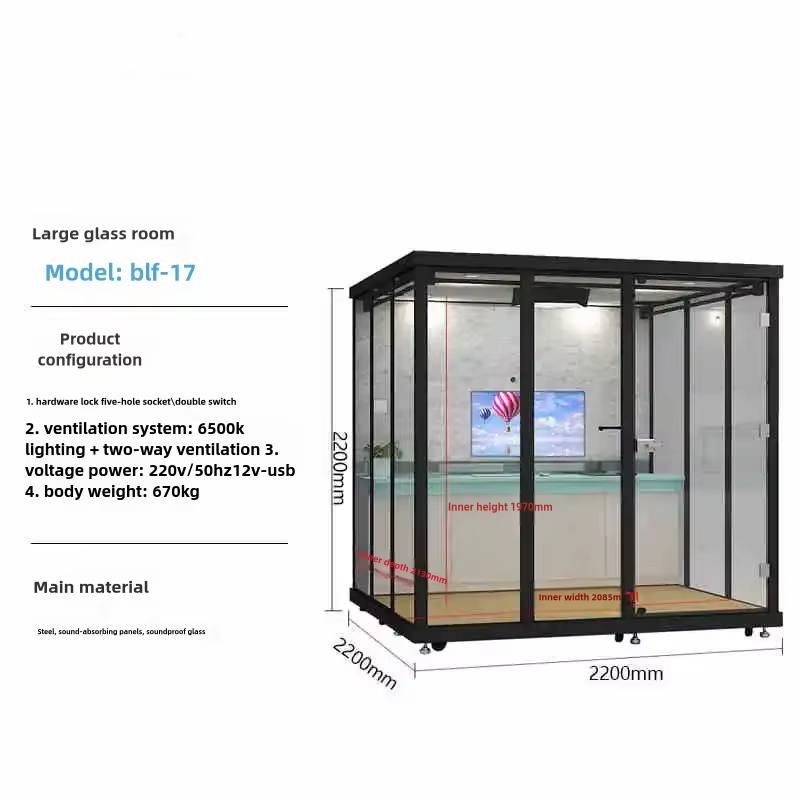
Description
When global retailers, interior designers, or hospitality brands seek reliable furniture suppliers, Foshan often tops the list. As one of China’s leading furniture manufacturing hubs, Foshan’s export success isn’t a stroke of luck—it’s built on decades of industry evolution, robust quality systems, and a customer-centric approach that balances consistency with adaptability. For buyers worldwide, understanding what makes Foshan’s furniture exports reliable reveals why the region remains a trusted partner in the global furniture market.
### Foshan’s Furniture Industry: Historical and Geographical Foundations
Foshan’s furniture legacy dates back centuries, when local craftsmen mastered woodworking and bamboo weaving for domestic markets. The modern industry took shape in the 1980s, as China opened to global trade, and Foshan leveraged its strategic location in the Pearl River Delta to become an export powerhouse by the early 2000s.
Geographically, Foshan’s advantages are unrivaled. It sits within 100 kilometers of major ports (Guangzhou Port, Shenzhen Port) and logistics hubs, cutting lead times for ocean freight. Raw materials—from Guangxi’s sustainable timber to Guangdong’s metal alloys and synthetic fabrics—are sourced locally, reducing dependency on long-distance imports. The region’s cluster effect is another key strength: over 10,000 enterprises (manufacturers, suppliers, designers, and logistics firms) are concentrated in areas like Lecong (known as “China’s Furniture Capital”) and Shunde, creating a self-sustaining ecosystem where collaboration drives efficiency.
### Quality Assurance: The Backbone of Reliability
Reliability starts with consistent quality, and Foshan’s furniture manufacturers have built rigorous systems to ensure every product meets global standards.
First, certifications are non-negotiable. Most factories hold ISO 9001 (quality management), ISO 14001 (environmental management), and industry-specific accreditations like FSC (Forest Stewardship Council) for wood products, BSCI (Business Social Compliance Initiative) for ethical labor practices, and CE marking for EU markets. For upholstery, many comply with US FDA standards for fabric safety and EU REACH regulations for chemical emissions.
Local testing infrastructure adds another layer of trust. The Foshan Furniture Quality Supervision and Inspection Center—an independent, government-accredited facility—conducts third-party tests for safety (fire resistance, formaldehyde emissions), durability (structural strength), and compliance with regional regulations. In-house quality control (QC) teams are also standard: medium to large factories dedicate 10–20% of their staff to QC, checking raw materials at incoming inspection, verifying assembly precision, and inspecting final finishes before packaging. For example, a Lecong-based sofa manufacturer performs three QC rounds: one for material compliance, one for frame stability, and one for fabric alignment—reducing defect rates to under 1%.
### Supply Chain Resilience: Avoiding Disruptions
Global supply chain disruptions (pandemics, shipping delays, raw material shortages) have tested many industries, but Foshan’s furniture sector has remained resilient thanks to its integrated, local supply chain.
Vertical integration is common: many factories handle design, production, packaging, and even logistics in-house, minimizing handoffs that cause delays. For raw materials, 80% are sourced within 100 kilometers of Foshan—so wood from Guangxi plantations, foam from Dongguan factories, and hardware from Shenzhen suppliers are all within easy reach. This reduces lead times by 20–30% compared to manufacturers relying on imported materials.
Digitalization further boosts resilience. Most factories use ERP (Enterprise Resource Planning) systems to track inventory levels, production schedules, and order status in real time. Some even use AI-powered demand forecasting: a Foshan office furniture maker uses data from 50+ global retailers to adjust production volumes three months in advance, avoiding overstock or shortages. Logistics efficiency is another win: bonded warehouses in Foshan allow for quick customs clearance, and direct truck routes to Guangzhou and Shenzhen ports cut transit times by 1–2 days.
### Customization Capabilities: Adapting to Global Market Needs
Reliability isn’t just about consistency—it’s about meeting unique client demands. Foshan’s manufacturers excel at customization, tailoring products to regional preferences and project-specific requirements.
Market-specific design is a priority: for EU clients, factories focus on minimalist, eco-friendly pieces with low-VOC finishes; for US buyers, larger, more durable upholstery (like leather sofas) is common; for Middle Eastern markets, ornate, high-gloss wooden furniture with intricate carvings is a staple. Flexible production lines allow for small-batch customization: some factories accept minimum order quantities (MOQs) as low as 50 pieces for dining sets or 100 pieces for sofas, making them accessible to small retailers and boutique brands.
Design collaboration is key too. Many Foshan factories have in-house design teams that work directly with international clients. For example, a Japanese interior design firm collaborated with a Foshan wooden furniture manufacturer to create dining sets with humidity-resistant finishes—critical for Japan’s humid climate. The factory used 3D rendering tools to let the client visualize the product before production, reducing rework and delivering 120 sets within six weeks.
### Sustainable Practices: Aligning with Global Environmental Expectations
Today’s global buyers prioritize sustainability, and Foshan’s furniture sector has adapted to meet these expectations—building long-term trust with eco-conscious clients.
Green materials are increasingly standard: recycled wood, water-based adhesives, low-VOC paints, and recycled fabric are used in 60% of Foshan’s furniture exports. Some factories have invested in solar panels to power production lines, cutting carbon emissions by 15–20%. Waste reduction is another focus: 90% of production waste (wood scraps, fabric offcuts) is recycled or repurposed—wood scraps become particle board, while fabric offcuts are turned into cushions or sample swatches.
Compliance with global sustainability standards is non-negotiable. Most factories adhere to the EU’s REACH regulation (restricting harmful chemicals) and the US’s CPSC (Consumer Product Safety Commission) rules. In 2020, a Foshan bedroom furniture manufacturer switched to 100% FSC-certified wood; this move increased their EU exports by 35% in 2021, as clients valued the sustainable sourcing.
### Real-World Reliability: Client Success Stories
Concrete examples illustrate Foshan’s export reliability better than statistics.
**Case 1: US Home Goods Retailer**
A mid-sized US retailer has sourced sofas from a Foshan factory for eight years. The factory maintains a 98% on-time delivery rate and less than 1% defect rate—key reasons the retailer renewed their $2M annual contract in 2023. “We never have to worry about delays or quality issues,” said the retailer’s procurement manager.
**Case 2: German E-Commerce Platform**
A German office furniture e-commerce platform relies on Foshan for ergonomic desks. The factory adapted its designs to meet EU ergonomic standards (adjustable height, lumbar support) and provided local after-sales support via a German representative. This partnership has grown to $1.5M in annual sales since 2020.
**Case 3: Japanese Hospitality Brand**
A Japanese hotel chain sourced custom wooden bedroom sets from Foshan for 10 new properties. The factory adjusted the wood finish to resist Japan’s high humidity and delivered 500 sets within two months—meeting the hotel’s tight opening deadline. The chain has since expanded the partnership to include other furniture categories.
### Future Outlook: Innovations Driving Next-Gen Reliability
Foshan’s furniture sector isn’t resting on its laurels. Innovations in smart furniture, circular economy, and digital trade are shaping its future as a reliable global supplier.
**Smart Furniture**: Factories are investing in IoT-integrated products—adjustable desks with height sensors, sofas with USB charging ports, and beds with sleep-tracking features. A Foshan smart furniture maker launched a line of IoT desks in 2023, which now account for 20% of its exports.
**Circular Economy**: More factories are offering furniture recycling services for clients—taking back old furniture, refurbishing it, or recycling materials. This aligns with global trends toward circularity and builds long-term client loyalty.
**Digital Trade**: Virtual showrooms and 3D product tours are becoming standard. Clients can tour Foshan factories remotely via live streams, reducing travel costs and time. B2B platforms like Alibaba and Made-in-China also let buyers place orders, track shipments, and communicate with suppliers in real time.
**Global Expansion**: Some Foshan brands are opening regional offices in Southeast Asia, Europe, and North America to provide closer support. For example, a Foshan office furniture brand opened a European office in 2022, cutting response times to EU clients from 24 hours to 4 hours.
### Conclusion
Foshan’s reliable furniture exports are the result of a perfect storm: historical craft heritage, strategic geography, robust quality systems, resilient supply chains, customization flexibility, and sustainable practices. For global buyers, partnering with Foshan means more than just getting a product—it means consistent quality, on-time delivery, and adaptability to changing market needs. As the industry evolves with smart innovations and circular economy practices, Foshan will continue to be a trusted name in the global furniture market for years to come.
Reviews
There are no reviews yet.