
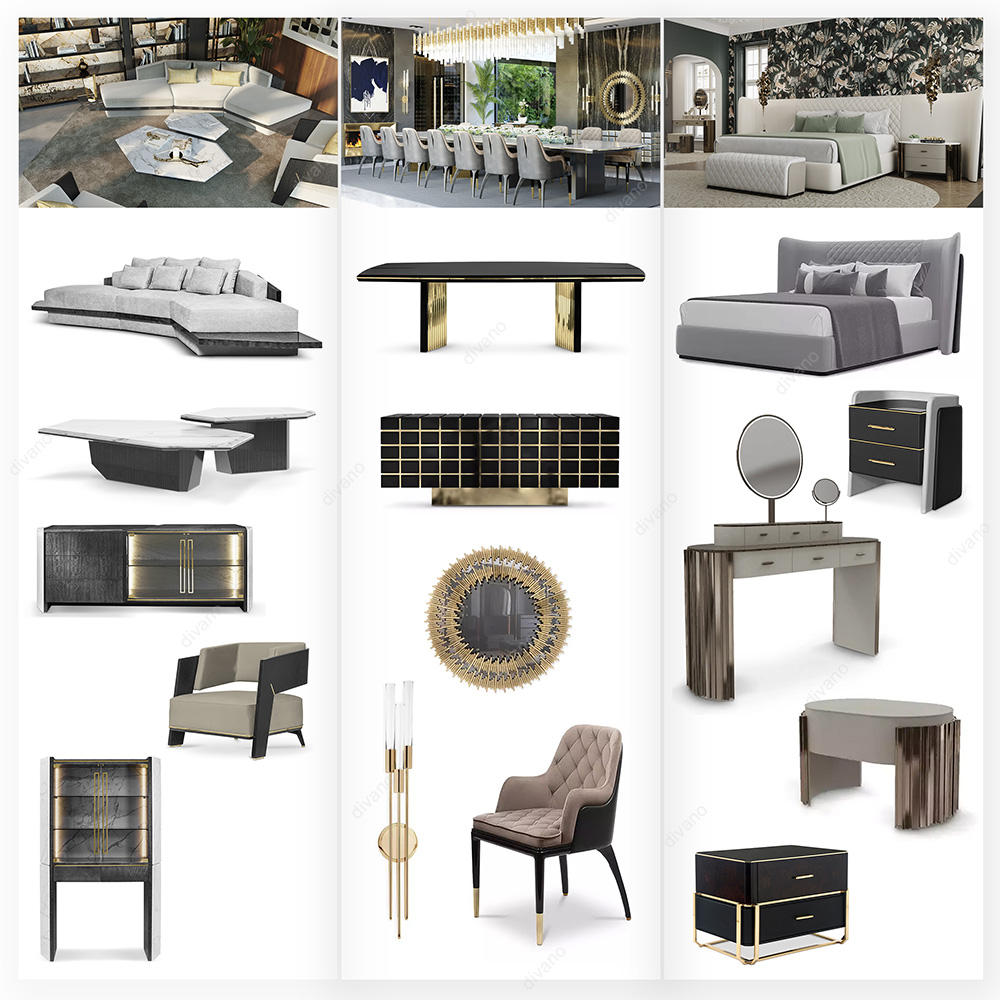
Description
# Shopping Guide for Furniture City Guangzhou
Guangzhou, China’s southern trade and manufacturing hub, is a global furniture destination—home to clustered markets spanning budget to luxury, custom to antique, and every style in between. Whether you’re furnishing a compact city apartment, renovating an office, or hunting for traditional Chinese craftsmanship, this guide breaks down local insights, top markets, and smart shopping tips to help you navigate Guangzhou’s furniture landscape with confidence.
## 1. Understanding Guangzhou’s Furniture City Landscape
Guangzhou’s furniture scene evolved from its role as host of the Canton Fair (China Import and Export Fair), where furniture has been a core category since 1957. Today, the city’s markets fall into three key segments:
– **Wholesale**: Concentrated in Panyu, catering to small businesses and bulk buyers (but open to individual shoppers).
– **Retail**: Spread across Tianhe and Haizhu, targeting local residents and tourists.
– **Custom**: Specialized workshops in Panyu and Liwan, offering tailored designs for odd-sized spaces or unique preferences.
Most markets are accessible via Guangzhou’s subway network (Lines 3, 5, 7, and 8 are the most convenient), with many clustered near residential or commercial hubs to cut down on travel time.
## 2. Top Furniture Districts & Markets in Guangzhou
Guangzhou’s furniture markets are organized by district, each with a distinct focus. Here are the must-visit spots:
### 2.1 Tianhe District: Mid-Range Retail Hub
Tianhe is the city’s most popular retail furniture cluster, ideal for everyday shoppers:
– **Tianhe Furniture City (Tianhe Jiaju Guang)**: Near Tiyu Xilu Station (Line 3), this multi-floor mall offers mid-range sofas, beds, and dining sets. Weekdays are less crowded than weekends, and bargaining is acceptable for most items.
– **Guangzhou International Furniture City (GIFC)**: Adjacent to Tianhe Furniture City, GIFC focuses on modern, imported designs (e.g., Scandinavian, Japanese minimalism). It’s a go-to for shoppers wanting contemporary style without luxury price tags.
### 2.2 Haizhu District: Mid-to-High-End Luxury
Haizhu caters to shoppers seeking premium quality and design:
– **Zhujiang New Town Furniture Mall**: Near Zhujiang New Town Station (Line 5), this mall features luxury brands (Italian leather sofas, German kitchen cabinets) and custom design studios. Prices are fixed, but service is personalized.
– **Haizhu Lake Furniture Plaza**: Combines retail with lifestyle—think cafes and design workshops. It’s perfect for shoppers who want to take breaks between browsing and prioritize eco-friendly materials.
### 2.3 Panyu District: Wholesale & Custom Specialist
Panyu is Guangzhou’s wholesale and custom furniture capital, great for budget-conscious buyers or those needing tailored pieces:
– **Panyu Furniture Wholesale Market**: Near Shaxi Station (Line 7), this market offers bulk discounts but welcomes individual shoppers (ask for “retail rates” to avoid markup). It’s known for solid wood and bamboo furniture (sustainable and ideal for Guangzhou’s humid climate).
– **Custom Workshops**: Many small-to-medium workshops in Panyu specialize in odd-sized pieces (e.g., wall-mounted beds for small apartments). Always ask for material samples and a written contract with delivery dates.
### 2.4 Liwan District: Traditional & Antique Craft
Liwan preserves Guangzhou’s cultural heritage with traditional furniture:
– **Liwan Antique Furniture Street**: Near Fangcun Station (Line 1), this street sells Chinese rosewood (hongmu) cabinets, mahjong tables, and antique reproductions. Look for hand-carved details—genuine antiques are rare, so ask for age verification if needed.
## 3. Shopping Tips Tailored to Guangzhou’s Markets
Local practices can make your shopping trip smoother. Here’s what to know:
### 3.1 Bargaining: When & How
– **Yes, in wholesale/mid-range markets**: Tianhe, Panyu, and Liwan markets allow bargaining. Start at 60–70% of the listed price, and be polite (mentioning you’re a local or repeat buyer helps).
– **No, in luxury malls**: Zhujiang New Town and Haizhu Lake malls have fixed prices, but you may get small discounts during sales.
### 3.2 Custom Furniture Checklist
Guangzhou’s custom workshops are a big draw—follow these steps to avoid mistakes:
1. **Measure your space accurately**: Note ceiling height, door widths, and room dimensions (critical for odd-sized pieces).
2. **Check moisture resistance**: Guangzhou’s humidity causes mold—ask for kiln-dried wood or bamboo (naturally moisture-resistant).
3. **Get a written contract**: Include delivery date, warranty (1 year for workmanship), and material details (e.g., “solid oak” vs. “oak veneer”).
### 3.3 Material Quality Checks
Avoid mislabeled items with these quick tests:
– **Wood**: Tap the surface—solid wood sounds dull; particle board sounds hollow. Ask for a cross-section sample if unsure.
– **Sofas**: Check the frame (solid wood > particle board) and foam density (30+ kg/m³ = durable). Stain-resistant fabric is ideal for families.
– **Beds**: Look for solid wood slats (avoid metal slats that bend) and memory foam mattresses (cooler for Guangzhou’s hot weather).
### 3.4 Delivery & Installation
– **Local delivery**: Most markets offer delivery within Guangzhou (¥50–¥200, depending on distance and item size).
– **Installation**: Large items (beds, wardrobes) usually include free installation; confirm this before buying.
– **Multi-market shopping**: Use apps like Dada or Meituan to arrange a single delivery for items from different markets (saves time and money).
### 3.5 Seasonal Sales
Score the best deals during these periods:
– **Canton Fair (April/October)**: 10–20% discounts on furniture to attract international buyers.
– **End-of-year (December)**: Markets clear old stock for new designs—great for budget shoppers.
## 4. Navigating Niche Furniture Needs
Guangzhou caters to every niche. Here’s where to find specific items:
### 4.1 Eco-Friendly Furniture
– **Bamboo pieces**: Panyu’s wholesale market has abundant bamboo furniture (sustainable and lightweight).
– **FSC-certified wood**: Look for labels in Haizhu Lake Furniture Plaza—these ensure wood is sourced responsibly.
– **Low-VOC paints**: Ask custom workshops for low-emission paints (critical for indoor air quality in humid weather).
### 4.2 Office Furniture
– **Tianhe Office Furniture City**: Near Tianhe North Station (Line 3), this mall offers ergonomic desks, chairs, and meeting tables. It’s popular with small businesses and remote workers.
### 4.3 Small Space Solutions
Guangzhou’s compact apartments demand space-saving designs:
– **Tianhe Furniture City**: Has a dedicated “small space” section with foldable dining tables, wall-mounted beds, and multi-functional storage.
### 4.4 Antique & Traditional Pieces
– **Liwan Antique Street**: For hand-carved rosewood cabinets or vintage Chinese chairs. Reproductions are common, so ask for the material (solid rosewood = higher quality).
## 5. Avoiding Common Pitfalls
First-time shoppers often face these issues—here’s how to avoid them:
– **Mislabeled materials**: Some sellers call particle board “solid wood.” Always ask for proof (e.g., a sample) and read labels carefully.
– **Hidden fees**: Wholesale markets may add delivery/installation fees to listed prices. Ask for a “total price” before committing.
– **Delivery delays**: Peak seasons (Canton Fair, December) can cause 1–2 week delays. Get a guaranteed delivery date in writing.
– **Warranty gaps**: Small workshops may not offer warranties. For custom items, insist on a 1-year workmanship warranty.
## 6. Post-Shopping Aftercare
Keep your furniture in good shape with these local tips:
### 6.1 Maintenance
– **Wooden furniture**: Use a dry cloth to clean (avoid water, which causes warping). Apply furniture wax every 6 months.
– **Fabric sofas**: Vacuum weekly and spot-clean spills immediately with mild detergent. Avoid direct sunlight (fades fabric).
### 6.2 Repair Services
Local repair shops are common in residential areas (Tianhe, Haizhu). Most offer on-site repairs for chairs, tables, and beds (¥50–¥200 per item).
### 6.3 Recycling
Guangzhou’s public recycling stations accept old furniture. Some markets (e.g., Panyu Wholesale) offer take-back services for old items when you buy new ones (ask the seller).
## Final Notes
Guangzhou’s furniture markets have something for every budget and style—whether you’re a local resident or a visitor. Plan your trip by mapping subway routes, listing your needs beforehand, and bringing measurements to avoid last-minute mistakes. With these tips, you’ll shop efficiently and find pieces that fit your space and lifestyle perfectly.
Reviews
There are no reviews yet.