
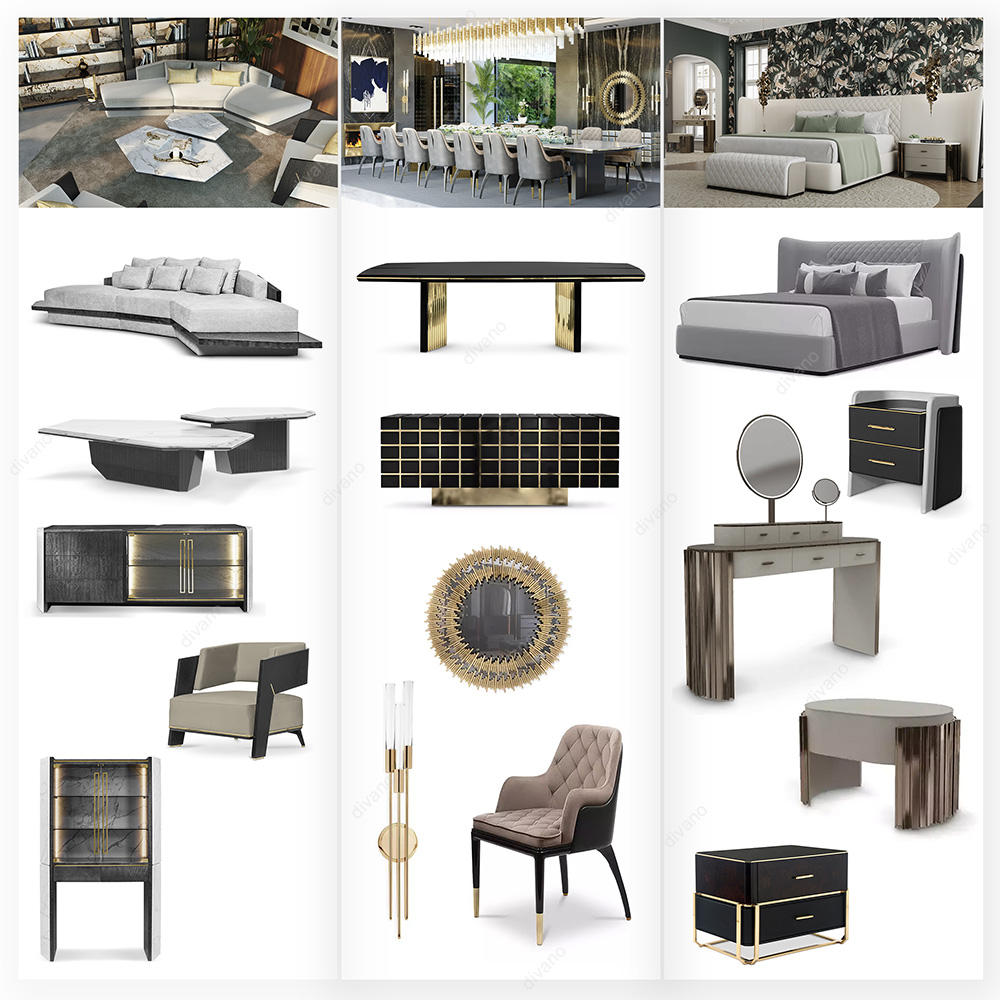
Description
Foshan Shunde isn’t just a district in Guangdong—it’s the beating heart of China’s furniture manufacturing and sourcing ecosystem. For decades, this region has transformed from a cluster of small craft workshops to a global powerhouse, attracting buyers from over 100 countries annually. With a 40-year history of innovation and scale, Shunde’s furniture industry accounts for approximately 20% of China’s total furniture exports, with annual sales exceeding $15 billion. Whether you’re a small retailer, a global brand, or an interior designer, understanding Shunde’s sourcing landscape is key to unlocking quality, customization, and competitive pricing.
### 1. A Brief History: From Craft Villages to Global Sourcing Hub
Shunde’s furniture roots trace back to the Ming and Qing dynasties, where local carpenters mastered traditional woodworking techniques for household items. However, the industry’s modern transformation began in the 1980s, when China’s reform and opening-up policies allowed small private workshops to expand. By the 1990s, two towns—Longjiang and Lecong—emerged as core hubs: Longjiang focused on production, while Lecong became a wholesale distribution center.
In the 2000s, Shunde’s factories shifted from low-cost generic furniture to specialized export-oriented production. Many invested in advanced machinery and quality control, earning certifications like ISO 9001 and FSC (Forest Stewardship Council). By 2010, Shunde had established itself as a global sourcing hub, with over 5,000 furniture-related enterprises (manufacturers, suppliers, logistics firms) operating in the district. Today, it’s home to Asia’s largest furniture wholesale market—Lecong Furniture City—and hosts the annual Shunde International Furniture Exhibition.
### 2. The Shunde Furniture Ecosystem: A Self-Sustaining Supply Chain
One of Shunde’s greatest strengths is its integrated, self-sustaining supply chain, eliminating reliance on distant suppliers:
– **Raw Materials**: Local/regional suppliers provide FSC-certified hardwood, E0-grade particleboard, stainless steel hardware, and eco-friendly paints—all within a 100-kilometer radius, cutting transport costs and lead times.
– **Production**: Longjiang hosts 3,000+ factories, ranging from family-run workshops to large OEM/ODM facilities. Specialties include solid wood, smart home, outdoor, and hospitality furniture.
– **Logistics**: Shunde’s proximity to Guangzhou Nansha Port (China’s busiest container port) and a robust highway/rail network enables seamless global shipping. Local firms handle small parcels to full containers.
– **Support Services**: Third-party labs (SGS, BV), design studios, and trade agents verify quality, navigate customs, and connect buyers to reliable manufacturers.
### 3. Core Advantages for Global Buyers
Shunde’s industry offers three key benefits that set it apart:
#### 3.1 Unmatched Diversity & Customization
Factories produce for every segment: budget particleboard pieces, luxury solid wood, smart adjustable beds, and weather-resistant outdoor furniture. Most offer flexible OEM/ODM: small businesses order 10-20 pieces, while large brands customize designs/materials. For example, a European retailer might create teak outdoor furniture compliant with EU safety standards, while a U.S. designer develops a custom upholstered sofa.
#### 3.2 Rigorous Quality Control
Quality is a priority: in-house teams inspect every stage, while third-party labs verify compliance with:
– **Safety**: EN 12520 (EU) and ASTM F1858 (U.S.) standards.
– **Eco-Friendliness**: E0/E1 low-formaldehyde materials, EU REACH, and FSC certification.
– **Durability**: Load capacity, wear resistance, and color fastness tests.
#### 3.3 Competitive Pricing & Flexible MOQs
Scale and integrated supply chains reduce costs by 10-30% vs. other Asian hubs. Factors include:
– Bulk raw material discounts passed to buyers.
– Efficient production (AI-powered machinery, skilled labor).
– Small MOQs (10-50 pieces) for custom designs, accessible to startups.
### 4. International Reach: Global Connections
Shunde’s exports reach 100+ countries via:
– **Trade Shows**: Participation in Cologne (Germany), High Point (U.S.), and Shanghai fairs. Its own exhibition attracts 20,000+ global buyers annually.
– **Cross-Border E-Commerce**: Suppliers sell on Alibaba International Station (dedicated Shunde Zone), Amazon, and Wayfair.
– **Overseas Warehouses**: Storage in Southeast Asia, Europe, and North America cuts delivery times to 7-10 days for local buyers.
– **Global Clients**: Supplies IKEA, H&M Home, and Williams-Sonoma, plus small retailers worldwide.
### 5. Future Trends: Sustainability & Digitalization
Shunde is evolving to meet global demands:
– **Sustainability**: Recycled materials (bamboo,再生塑料), water-based paints, and modular designs (easy disassembly). Some launch “zero-carbon” lines with renewable energy offsets.
– **Digital Transformation**: AI optimizes wood cutting (minimal waste), IoT tracks quality in real time, and VR/AR lets buyers preview custom designs.
– **Circular Economy**: Furniture recycling programs collect, repair, or repurpose old pieces to reduce waste.
### 6. Navigating Shunde Sourcing (Practical Tips)
For first-time buyers:
1. **Define Needs**: Outline product type, MOQ, budget, and timeline.
2. **Verify Credentials**: Check licenses, ISO/FSC/REACH, and request samples.
3. **Visit Factories**: Longjiang/Lecong’s concentrated factories allow multiple visits in a day.
4. **Communicate Clearly**: Provide written specs (尺寸, materials) to avoid misunderstandings.
5. **Negotiate**: Flexible suppliers offer better terms for long-term partnerships.
6. **Logistics**: Use local firms for shipping/customs to reduce costs.
### Conclusion
Foshan Shunde is a dynamic ecosystem blending tradition, innovation, and global reach. For global buyers, it offers unmatched diversity, quality, and value—making it an essential furniture sourcing destination. As it prioritizes sustainability and digitalization, Shunde will continue leading the global market for years to come.
Reviews
There are no reviews yet.