
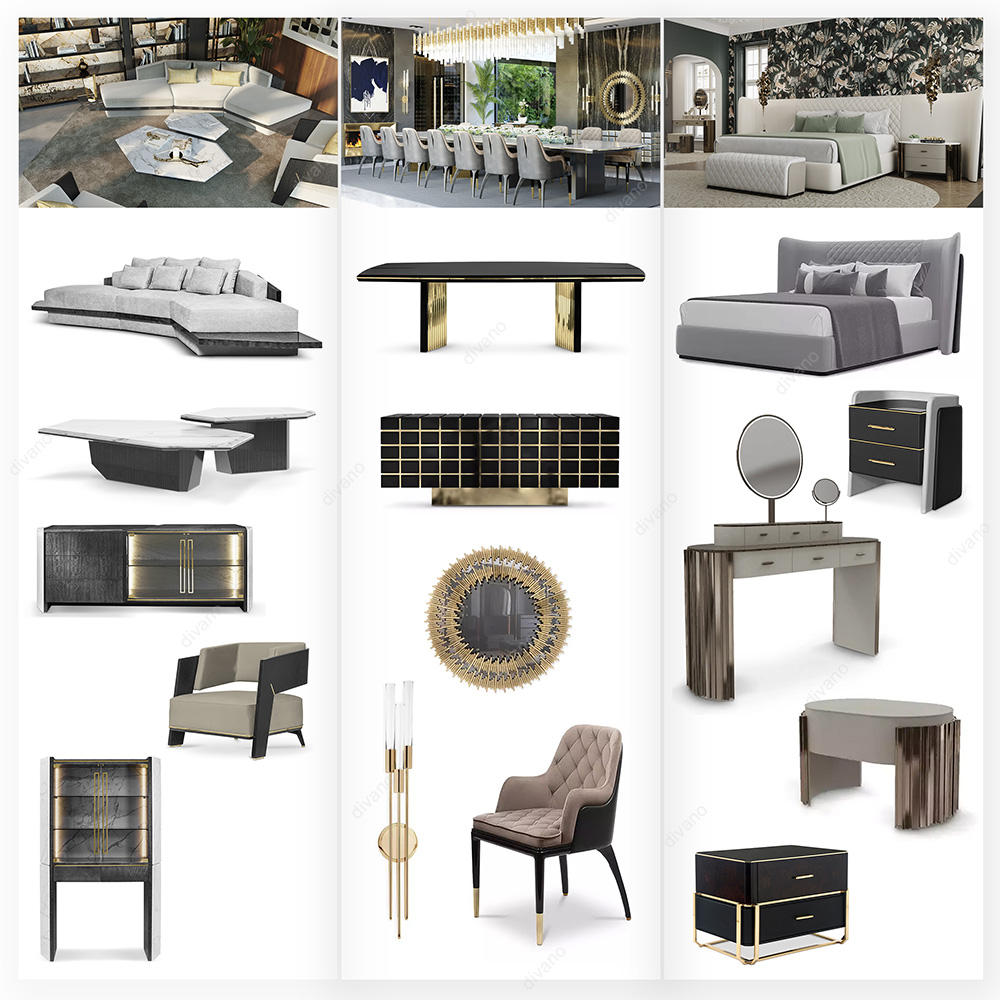
Description
# Sourcing High-Quality Guangzhou Custom Furniture
Guangzhou, known as the “Furniture Capital of South China,” is a global hub for bespoke furniture sourcing—rooted in centuries-old craftsmanship, proximity to global material chains, and diverse manufacturing clusters. Whether you’re an interior designer curating luxury hotel pieces, a small business owner needing custom fixtures, or an individual seeking a one-of-a-kind dining set, Guangzhou’s custom furniture scene offers tailored solutions. But sourcing top-tier pieces requires more than finding a supplier: it demands understanding the local ecosystem, verifying quality, and navigating potential pitfalls. This guide breaks down everything you need to know to source high-quality Guangzhou custom furniture with confidence.
## Key Advantages of Guangzhou Custom Furniture
Guangzhou’s position as a leading custom furniture hub stems from three core strengths:
### 1. Centuries-Old Craftsmanship Heritage
Guangzhou’s woodworking traditions date back to the Qing Dynasty, with master craftsmen passing down skills like mortise-and-tenon joinery (a nail-free technique that creates durable, flexible joints) through generations. Today, modern factories blend these traditional techniques with CNC machining and 3D design tools—resulting in pieces that balance timeless durability with contemporary aesthetics. For example, many high-end suppliers in Tianhe District use hand-carved details (a Qing-era skill) on modern minimalist frames, creating unique, long-lasting pieces.
### 2. Proximity to Global Material Supply Chains
Guangzhou’s location gives suppliers unrivaled access to raw materials:
– **Hardware**: Shiling, a 30-minute drive from Guangzhou, is Asia’s largest hardware market, offering premium hinges (Blum, Hettich), handles, and sliding mechanisms at competitive prices.
– **Wood**: The Port of Guangzhou is a major entry point for teak (Southeast Asia), oak (North America), and walnut (Europe)—cutting lead times for custom solid wood pieces.
– **Fabrics**: Local distributors stock OEKO-TEX certified linen, velvet, and performance fabrics from Europe and the U.S., ideal for residential and commercial projects.
### 3. Diverse Manufacturing Clusters
Guangzhou’s districts specialize in distinct custom furniture types:
– **Tianhe**: High-end bespoke furniture for luxury residences and hotels (focus on solid wood, handcrafted details).
– **Panyu**: Mass-custom solutions (small MOQs, 10–50 pieces) for businesses (modern, functional designs).
– **Baiyun**: Scandinavian and minimalist styles (light wood, neutral fabrics, eco-friendly finishes).
This diversity means you can find a supplier that matches your exact needs—no one-size-fits-all.
## Step-by-Step Guide to Sourcing High-Quality Pieces
Follow these actionable steps to ensure you get furniture that meets your quality and budget standards:
### 1. Define Your Core Requirements
Before contacting suppliers, clarify non-negotiable details:
– **Style**: Chinese traditional, Scandinavian, modern industrial, or bespoke hybrid?
– **Dimensions**: Exact measurements (e.g., “dining table: 180cm L × 90cm W × 75cm H”)—note constraints like ceiling height or room layout.
– **Materials**: Solid wood type (oak vs. teak), fabric grade (OEKO-TEX certified), hardware brands (Blum vs. local alternatives).
– **Budget**: Break down costs (40% materials, 30% labor, 20% customization, 10% shipping/inspection) to avoid hidden fees.
– **Timeline**: Account for production (2–4 weeks standard), inspection, and shipping (1–2 weeks for domestic, 4–6 weeks for international).
### 2. Shortlist Reputable Local Suppliers
Use these trusted methods to find reliable partners:
– **Canton Fair**: Held twice yearly (April/October), it’s the world’s largest trade fair—Guangzhou suppliers exhibit sample pieces, with English-speaking reps and transparent pricing.
– **Online Platforms**: Look for Alibaba Gold Suppliers with “Trade Assurance” (protects payments) or Made-in-China.com verified vendors.
– **Local Referrals**: Ask other designers or business owners—word of mouth is invaluable for finding suppliers with consistent quality.
**Key Criteria for Shortlisting**:
– 5+ years in business (indicates stability).
– Portfolio of similar projects (e.g., if you need hotel furniture, check past hospitality work).
– Certifications: ISO 9001 (quality management), FSC (sustainable wood), CE (EU compliance).
### 3. Verify Craftsmanship and Materials
Quality checks are non-negotiable—here’s how:
– **On-Site Visits**: If possible, visit factories to inspect:
– Joinery: Mortise-and-tenon joints should be tight (no gaps); dovetail joints evenly spaced.
– Finish: Smooth surfaces (no splinters), even paint/stain (no bubbles or runs).
– Materials: Cross-section samples for solid wood (avoid veneer over particle board); fabric labels for OEKO-TEX.
– **Remote Verification**: If you can’t visit, request:
– High-res videos of production (e.g., joinery, finishing).
– Material test reports (e.g., wood moisture content, fabric durability).
– Small sample kits (for a nominal fee) to assess texture and quality.
### 4. Negotiate Terms and Customization Details
Don’t accept vague agreements—get everything in writing:
– **MOQ**: Most suppliers now accept 1–5 pieces for custom furniture (negotiate if needed).
– **Lead Time**: Confirm timelines (e.g., “6 weeks for curved sofa with hand-carved legs”).
– **Pricing**: Ask for a detailed breakdown (avoid “total price only”)—this lets you adjust (e.g., switch from teak to oak to cut costs).
– **Warranty**: 1–2 years against manufacturing defects (loose joints, peeling finish)—get this in your contract.
### 5. Inspect Before Shipment
Never release final payment without verifying quality:
– **Third-Party Inspection**: Use services like SGS or BV to check dimensions, finish, and functionality (e.g., drawers open smoothly).
– **Virtual Inspection**: If third-party services are out of budget, request a live video call to inspect each piece.
– **Final Approval**: Only sign off if the furniture matches your specs—ask for adjustments if needed.
## Common Pitfalls to Avoid
Even with careful planning, mistakes happen—here’s how to steer clear:
### 1. Confusing “Custom” with “High-Quality”
Some suppliers label low-grade pieces (e.g., particle board with veneer) as “custom” to charge more. Always verify materials with test reports or samples.
### 2. Ignoring Certifications
If exporting to the EU, CE certification is mandatory for safety; FSC ensures sustainable wood. Skipping these can lead to customs delays or legal issues.
### 3. Overlooking Peak Seasons
Guangzhou suppliers face peak demand during the Canton Fair (April/October) and Chinese New Year (Jan/Feb). Lead times can double—plan 2–3 months in advance.
### 4. Vague Communication
Misunderstandings are common if specs are unclear. For example, “round table” without diameter or edge treatment can result in a piece that doesn’t fit your space. Provide 3D renders, sample photos, and written specs.
## Sustainable Sourcing in Guangzhou Custom Furniture
Eco-conscious buyers will find Guangzhou’s suppliers increasingly focused on sustainability:
### 1. Eco-Friendly Material Options
– **Reclaimed Wood**: Sourced from old buildings in Guangzhou and surrounding areas (reduces deforestation).
– **FSC-Certified Wood**: Ensures responsible forestry practices.
– **Recycled Fabric**: Made from plastic bottles or old textiles (durable and low-impact).
– **Low-VOC Finishes**: Water-based paints that emit fewer harmful chemicals (safe for indoor spaces).
### 2. Leading Sustainable Suppliers
Many Panyu factories use solar panels for production, while Baiyun suppliers specialize in reclaimed wood furniture. Look for ISO 14001 (environmental management) certification to confirm eco-friendly practices.
## Final Tips for Long-Term Partnerships
Building trust with Guangzhou suppliers ensures consistent quality:
– **Clear Communication**: Use WeChat (for quick updates) and email (for formal docs)—assign a dedicated contact to avoid miscommunication.
– **Constructive Feedback**: If a sample is off, provide specific notes (e.g., “Matte finish instead of glossy”) instead of vague complaints.
– **Small-Batch Trials**: Test 1–2 pieces before bulk orders to evaluate quality and delivery.
## Conclusion
Guangzhou’s custom furniture scene offers unbeatable quality and diversity—if you know how to source wisely. By defining your needs, shortlisting reputable suppliers, verifying craftsmanship, and avoiding common pitfalls, you can find pieces that meet your standards and budget. Whether you’re designing a luxury space or a cozy home, Guangzhou’s bespoke furniture has something for every project.
Reviews
There are no reviews yet.