
描述
# Wholesale Sourcing in Furniture City in Guangzhou China
## Table of Contents
1. Why Guangzhou Is a Global Hub for Furniture Wholesale
2. Core Furniture Districts in Guangzhou
3. Key Product Categories for Wholesale Buyers
4. Sourcing Best Practices: Pre-Visit to Post-Shipment
5. Logistics & Shipping from Guangzhou
6. Emerging Trends Shaping Guangzhou’s Furniture Wholesale
7. Common Pitfalls to Avoid
—
### 1. Why Guangzhou Is a Global Hub for Furniture Wholesale
Guangzhou, China’s southern gateway to global trade, has evolved into one of the world’s most comprehensive furniture wholesale hubs over the past 30 years. Its strategic location—adjacent to Hong Kong, Macau, and major seaports—coupled with decades of manufacturing expertise, makes it a top choice for buyers from the U.S., Europe, Southeast Asia, and the Middle East.
The city’s furniture ecosystem spans 1,200+ wholesale suppliers, 500+ showrooms, and a supply chain that includes raw material sourcing (wood, metal, fabric), production, quality control, and logistics. Guangzhou’s annual furniture exports exceed $12 billion (2023 data from the Guangdong Furniture Association), with mid-to-high-end residential and office furniture accounting for 65% of total shipments.
Unlike smaller regional markets, Guangzhou offers a one-stop solution: buyers can source everything from minimalist sofas to custom hotel furniture without traveling between cities. Local suppliers also prioritize adaptability, often adjusting designs to meet international standards (e.g., U.S. CPSC for children’s furniture, EU EN safety norms).
### 2. Core Furniture Districts in Guangzhou
Guangzhou’s furniture wholesale landscape is clustered in three key districts, each with a unique focus:
#### Shaxi International Furniture City (Panyu District)
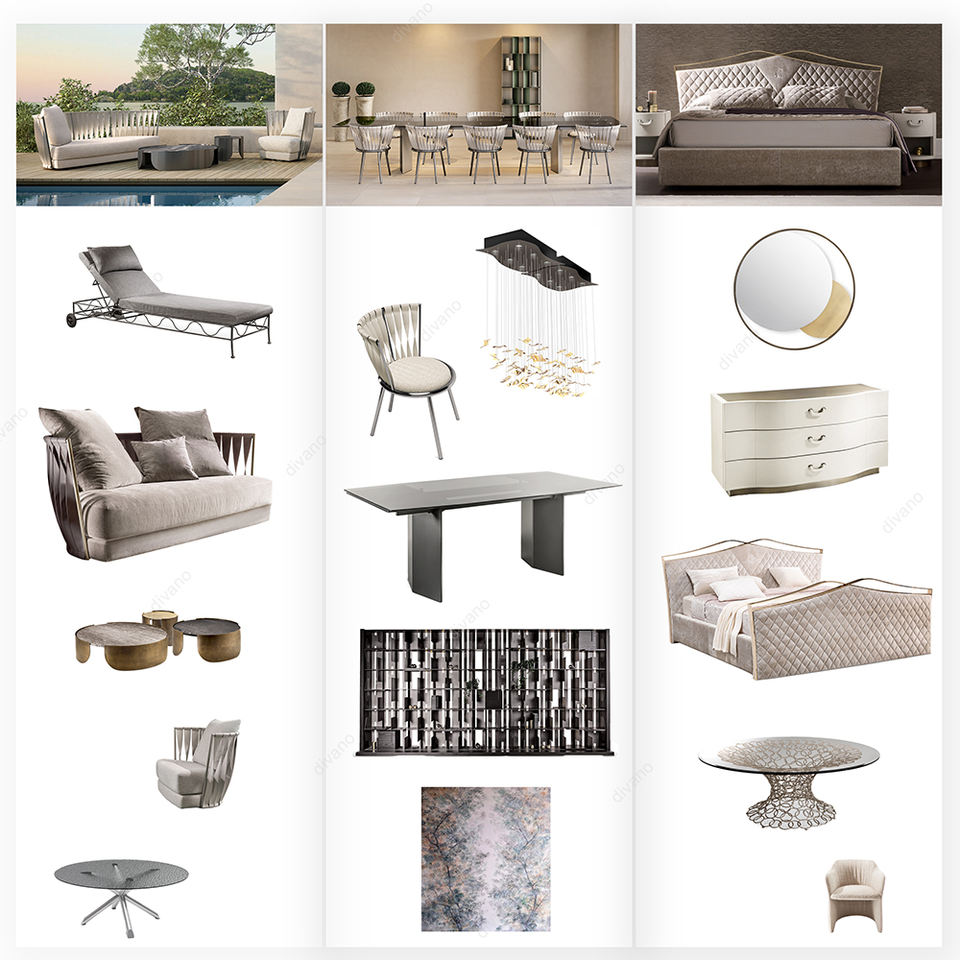
The largest and most diverse hub in Guangzhou, Shaxi covers 350,000+ square meters and hosts 1,100+ suppliers. Open 9:00 AM–6:00 PM daily (closed Mondays), it specializes in mid-to-high-end residential furniture (sofas, beds, dining sets) and modular office workstations. Many suppliers here have showrooms with live samples, allowing buyers to test materials (leather, solid wood, performance fabric) and finishes.
A standout feature is the “Custom Furniture Zone,” where 200+ suppliers offer made-to-order designs for hotels, interior design firms, and e-commerce brands.
#### Tianhe Furniture Wholesale Market
Located closer to Guangzhou’s city center, this district caters to urban-focused buyers with compact, space-saving furniture (studio apartments, small offices). Suppliers here often specialize in Scandinavian-inspired designs, foldable tables, and wall-mounted storage—popular with buyers targeting city dwellers in Europe and North America.
#### Panyu Bamboo & Rattan Cluster
Nestled near Shaxi, this cluster leverages Guangdong’s abundant bamboo and rattan resources to produce eco-friendly outdoor and tropical-style furniture. Suppliers here offer FSC-certified products, making them ideal for buyers prioritizing sustainability.
Note: While Foshan’s Lecong Furniture City (a neighboring city) is a global leader, many Guangzhou suppliers maintain showrooms there—buyers often combine visits to both hubs for a full range of options.
### 3. Key Product Categories for Wholesale Buyers
Guangzhou’s furniture portfolio covers every segment, but these categories dominate wholesale demand:
1. **Residential Furniture**:
– Modern minimalist (L-shaped sofas, platform beds with storage)
– Scandinavian-inspired (light wood, neutral fabrics)
– Traditional Chinese (modernized Ming/Dynastic styles with solid mahogany)
– Children’s furniture (non-toxic, CPSC-compliant cribs and play tables)
2. **Office Furniture**:
– Ergonomic chairs (mesh-back, adjustable lumbar support)
– Modular workstations (for open-plan offices)
– Meeting tables (glass, solid wood, or composite materials)
3. **Outdoor Furniture**:
– Rattan/aluminum sets (weather-resistant, for patios and resorts)
– Teak dining sets (high-end, durable)
– Recycled plastic furniture (eco-friendly, growing in demand)
4. **Custom Furniture**:
– Hotel room sets (customized to brand guidelines)
– Restaurant booths and tables
– E-commerce exclusive designs (tailored to buyer’s target market)
### 4. Sourcing Best Practices: Pre-Visit to Post-Shipment
Successful sourcing in Guangzhou requires careful planning—here’s a step-by-step guide:
#### Pre-Visit Preparation
– **Research Suppliers**: Use platforms like Alibaba (Gold Supplier status indicates verified credibility), Made-in-China, or the Guangdong Furniture Association’s official directory. Filter by product category, minimum order quantity (MOQ), and export experience.
– **Verify Certifications**: Check for:
– CCC (China Compulsory Certification) for electrical furniture (adjustable beds, smart sofas)
– FSC (Forest Stewardship Council) for sustainable wood products
– ISO 9001 (quality management system)
– **Prepare Specs**: Document dimensions, materials, finish preferences, and packaging requirements (e.g., “foam padding for glass tables”).
– **Arrange Support**: Hire a local sourcing agent if you don’t speak Mandarin—agents can negotiate better prices, verify supplier credibility, and handle logistics.
#### On-Site Negotiation
– **Etiquette**: Greet with a handshake, exchange business cards (use both hands), and dress formally (business casual is acceptable, but avoid shorts or flip-flops).
– **MOQ**: Most suppliers require 5–10 units per style, but you can negotiate lower MOQs for long-term partnerships or sample orders.
– **Pricing**: Ask for **FOB Guangzhou** (Free on Board) prices—this includes product cost, packaging, and loading onto the ship. Compare 3–5 suppliers for the same product to avoid overpaying.
– **Contracts**: Always sign a written contract with clear terms:
– Payment: 30% deposit (via T/T), 70% before shipment
– Delivery time: 20–30 days for standard orders, 45–60 days for custom designs
– Defect tolerance: 1–2% of total order (specify how defects will be resolved: replacement or refund)
#### Quality Control
– **Mid-Production Check**: Visit the factory 10–15 days into production to inspect materials and workmanship.
– **Final Inspection**: Hire a third-party firm (e.g., SGS, Intertek—both have offices in Guangzhou) to inspect finished products before shipment. Check for scratches, loose joints, color mismatches, and compliance with your country’s standards.
– **Rejection Policy**: Ensure the contract includes a clause for rejecting defective goods and reworking them at the supplier’s cost.
### 5. Logistics & Shipping from Guangzhou
Guangzhou’s logistics infrastructure is designed for global exports:
– **Ports**:
– **Nansha Port**: Guangzhou’s main port for furniture, handling 90% of the city’s furniture exports. It offers direct shipping routes to 300+ ports worldwide (e.g., Los Angeles, Rotterdam, Singapore).
– **Hong Kong Port**: For faster transit to Southeast Asia or Europe, some buyers use Hong Kong (1.5 hours from Guangzhou by road).
– **Freight Forwarders**: Choose a local forwarder with experience in furniture shipping (e.g., Sinotrans, a state-owned firm with reliable customs clearance).
– **Packaging**: Most suppliers use cartons with foam padding, but request wooden crates for fragile items (glass tables, mirrors) to avoid damage.
– **Customs**: Guangzhou’s Panyu Furniture Customs Zone offers fast clearance for wholesale orders—forwarders can handle all paperwork (commercial invoice, packing list, bill of lading).
### 6. Emerging Trends Shaping Guangzhou’s Furniture Wholesale
Guangzhou’s suppliers are adapting to global trends to stay competitive:
1. **Sustainability**:
– 30% of Shaxi suppliers now offer FSC-certified wood or recycled materials (e.g., plastic outdoor furniture).
– The Guangdong Furniture Association launched a “Green Furniture” certification in 2022, which includes carbon footprint reporting.
2. **Digitalization**:
– Many suppliers use 3D design tools to let buyers visualize custom products (e.g., adjust sofa color or size in real time).
– Virtual showrooms (via VR) are becoming popular for international buyers who can’t visit in person.
3. **Smart Furniture**:
– Adjustable beds with app control, smart sofas with USB ports, and LED-lit storage units are growing in demand—Guangzhou suppliers are expanding this category to cater to tech-savvy buyers.
4. **Circular Economy**:
– Some suppliers offer furniture repair services or take-back programs (popular in European markets where circular design is mandatory for certain products).
### 7. Common Pitfalls to Avoid
– **Fake Certifications**: Always verify certifications with the issuing body (e.g., check FSC numbers on the FSC official website).
– **Unclear MOQ**: Some suppliers quote low MOQs but increase them later—get MOQ in writing.
– **Language Barriers**: Even if suppliers speak basic English, key terms (e.g., “customization” or “defect tolerance”) may be misunderstood—use a translator or agent.
– **Hidden Fees**: Ask about packaging fees, inspection fees, or customs clearance fees upfront—some suppliers don’t include these in FOB prices.
—
Guangzhou’s furniture wholesale hub combines scale, quality, and adaptability, making it a reliable partner for global buyers. By following these best practices and staying aware of trends, you can source high-quality furniture at competitive prices while minimizing risks. Whether you’re a small e-commerce brand or a large hotel chain, Guangzhou offers solutions tailored to your needs.
 ZH
ZH  FR
FR  EN
EN
商品評價
目前沒有評價。