
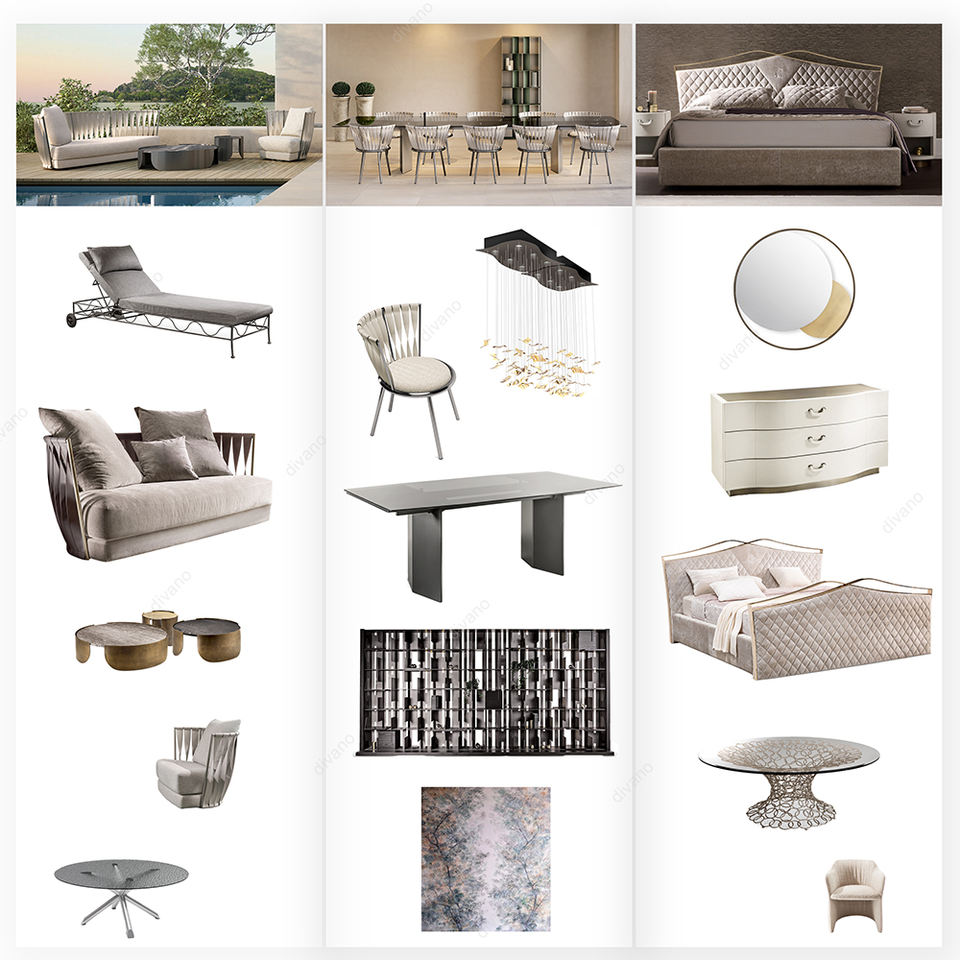
Description
# Wholesale Network for Foshan China Furniture Manufacturers
## Introduction
Foshan, a bustling city in Guangdong Province’s Greater Bay Area (GBA), is synonymous with China’s furniture manufacturing prowess. Since the 1980s, it has evolved from a small-scale workshop cluster to the country’s largest furniture production hub, accounting for approximately 30% of China’s total furniture exports. At the core of this success lies its robust wholesale network—a dynamic ecosystem that connects local manufacturers to global buyers, blending physical hubs, digital platforms, and integrated supply chains. For businesses worldwide, Foshan’s network is more than a sourcing destination; it’s a one-stop solution for affordable, customizable, and quality-assured furniture.
## Core Pillars of Foshan’s Furniture Wholesale Network
Foshan’s wholesale network thrives on three interconnected pillars: geographic clustering, digital channels, and supply chain integration. Each pillar addresses critical pain points for manufacturers and buyers alike.
### 1. Geographic Cluster & Physical Wholesale Hubs
The backbone of Foshan’s network is its dense geographic clustering, concentrated in Shunde and Nanhai districts. The most iconic example is **Lecong Furniture City**—often called the “furniture capital of the world” for its scale and diversity.
Spanning over 3 million square meters across 12 specialized zones, Lecong hosts more than 2,000 manufacturers and wholesalers. Zones are tailored to product categories:
– **Lecong International Furniture Expo Center**: Focuses on high-end residential furniture (e.g., Italian-style sofas, solid wood cabinets) targeting luxury buyers.
– **Lecong Furniture Mall**: Caters to mid-range markets with affordable, trendy designs for apartments and small homes.
– **Office Furniture Zone**: Specializes in ergonomic desks, conference tables, and cubicles for corporate clients.
Beyond Lecong, **Shunde Furniture Industrial Park** supports large-scale manufacturers (e.g., Midea Home, Opal Furniture) with dedicated production facilities, while **Nanhai Furniture Zone** is known for outdoor and bamboo furniture—niche categories with growing global demand.
For buyers, this clustering eliminates the need to travel across China to source different products. A single trip to Lecong can cover residential, office, and outdoor furniture from hundreds of verified manufacturers.
### 2. Digital Wholesale Channels
In the past decade, Foshan’s network has digitized rapidly to meet the needs of global buyers who prefer remote sourcing. Key digital platforms include:
#### a. Curated B2B Platforms
– **1688.com’s Foshan Furniture Pavilion**: A specialized section of Alibaba’s domestic B2B platform, featuring 10,000+ Foshan manufacturers. It offers factory verification (via on-site audits), bulk order discounts, and live-streaming demos—allowing buyers to inspect products in real time without traveling.
– **Alibaba International Station’s Foshan Hub**: Tailored for cross-border buyers, this hub provides multilingual support, customs clearance guidance, and access to Foshan’s latest designs (e.g., smart furniture with IoT features).
#### b. Local Digital Marketplaces
Foshan’s municipal government launched the **Foshan Furniture Wholesale Platform** in 2020 to support small and medium-sized enterprises (SMEs). The platform connects SMEs to regional wholesalers in Southeast Asia and the Middle East, with features like AI-powered product matching and inventory management tools.
#### c. AR/VR Virtual Showrooms
To bridge the gap between remote and in-person sourcing, many manufacturers and Lecong’s expo centers offer AR/VR virtual tours. Buyers can “walk through” showrooms, zoom in on product details, and even customize designs (e.g., change sofa fabric colors) in real time.
### 3. Supply Chain Integration
Foshan’s network is unique for its end-to-end supply chain integration, which reduces lead times and costs for both manufacturers and buyers.
#### a. Raw Material Access
Foshan is surrounded by raw material suppliers:
– Wood: Sourced from nearby Guangxi and Yunnan provinces (1–2 day delivery).
– Metal: Local steel mills (e.g., Foshan Iron & Steel) provide aluminum and stainless steel for frames.
– Fabric: Guangdong’s textile clusters (e.g., Guangzhou, Dongguan) supply eco-friendly fabrics (organic cotton, recycled polyester).
This proximity eliminates long lead times for raw materials, allowing manufacturers to fulfill bulk orders in 2–4 weeks (vs. 6–8 weeks from inland hubs).
#### b. Logistics & Shipping
Foshan’s logistics network is optimized for furniture:
– **Shunde Port**: A major inland port handling 10 million TEUs annually, with direct routes to Southeast Asia, the Middle East, and Europe.
– **Specialized Freight Companies**: Local firms like SF Logistics offer custom crating (to prevent damage during shipping) and cross-border e-commerce delivery for small bulk orders.
– **Warehousing**: Dedicated furniture warehouses in Shunde provide short-term storage for pre-ordered products, reducing buyers’ inventory costs.
#### c. Quality Assurance
To build trust with global buyers, Foshan’s network includes strict quality control:
– **Third-Party Testing**: The **Guangdong Furniture Quality Supervision and Inspection Center** (located in Foshan) conducts tests for fire safety (EU CE standards), lead content (US CPSC), and durability.
– **Certification**: Most manufacturers display ISO 9001 (quality management) and FSC (sustainable wood) certifications on their wholesale profiles.
## Key Players & Ecosystem Dynamics
Foshan’s wholesale network is a collaborative ecosystem of four core players:
### 1. Manufacturers
– **Large Enterprises**: Midea Home (smart furniture with IoT sensors), Opal Furniture (high-end modern designs), and KUKA Home (ergonomic chairs) dominate the premium market.
– **SMEs**: Family-owned workshops specialize in niche products (e.g., bamboo furniture, hand-carved wooden pieces) that cater to eco-conscious buyers.
### 2. Wholesalers
– **Local Wholesalers**: Act as middlemen for SMEs, aggregating small orders to meet global buyers’ bulk requirements.
– **International Wholesalers**: Companies like IKEA and Wayfair have local offices in Foshan to source directly from manufacturers, cutting out middleman markup.
### 3. Support Services
– **Design Studios**: Foshan has 500+ furniture design firms (e.g., Shunde Design Center) that help manufacturers adapt to global trends (e.g., minimalist designs for European markets).
– **Financing Providers**: Local banks (e.g., Guangdong Development Bank) offer low-interest loans for bulk orders, helping buyers manage cash flow.
## Advantages of Foshan’s Wholesale Network for Global Buyers
For businesses worldwide, Foshan’s network offers five key benefits:
### 1. Competitive Pricing
Cluster effect drives economies of scale—manufacturers can offer prices 15–20% lower than individual makers in other regions. Direct factory sourcing (via digital platforms) eliminates middleman costs, further reducing prices.
### 2. Customization
Most manufacturers offer tailored options:
– Size adjustments (e.g., sofas for small Japanese apartments).
– Material swaps (e.g., replacing leather with vegan fabric for European buyers).
– Branding (e.g., adding a buyer’s logo to office chairs).
### 3. Fast Turnaround
Integrated supply chains cut lead times: from order confirmation to delivery, bulk orders take 2–4 weeks (vs. 6–8 weeks from inland hubs). Digital platforms also speed up communication, reducing decision-making time.
### 4. One-Stop Sourcing
Buyers can source all furniture categories (residential, office, outdoor) from one cluster, simplifying procurement and logistics. For example, a US retailer can order sofas, desks, and patio sets from Lecong in one trip.
### 5. Quality Consistency
Strict local standards and third-party testing ensure products meet international requirements. For example, Foshan’s furniture exports to the EU have a 98% compliance rate for CE fire safety standards.
## Challenges & Future Trends
Foshan’s network faces challenges but is adapting to global trends:
### 1. Current Challenges
– **Rising Costs**: Labor costs in Foshan are 20% higher than inland cities like Chengdu, forcing SMEs to automate production.
– **Raw Material Fluctuations**: Global wood prices rose 30% in 2022, pushing manufacturers to use recycled materials.
– **Competition**: Other hubs (e.g., Guangzhou, Jiangsu) are expanding their wholesale networks, but Foshan’s scale and integration keep it ahead.
### 2. Future Trends
– **Smart Manufacturing**: Manufacturers are adopting IoT to monitor production lines (e.g., detecting defects in wooden frames) and AI to predict market trends (e.g., popular colors for 2024).
– **Sustainability**: Eco-friendly furniture is a top priority—Foshan’s manufacturers are using recycled wood (up 40% since 2020) and water-based paints.
– **Circular Economy**: The **Foshan Furniture Recycling Center** processes 10,000+ tons of old furniture annually, offering refurbished products for wholesale.
– **Cross-Border E-Commerce**: More manufacturers are using TikTok Shop and Amazon Business to reach small global buyers directly.
## Conclusion
Foshan’s furniture wholesale network is a testament to the city’s ability to blend tradition with innovation. From Lecong’s sprawling physical hubs to digital platforms with AR/VR showrooms, it offers a comprehensive solution for global buyers seeking quality, affordability, and customization. As the network adapts to sustainability and smart manufacturing trends, it will remain a key player in the global furniture trade—connecting Foshan’s manufacturers to the world, one piece of furniture at a time.
Reviews
There are no reviews yet.